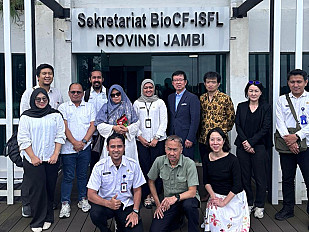
IGES, an agency under Japan's Ministry of the Environment, introduced a forest and peatland firefighting soap technology that is considered capable of increasing the effectiveness of firefighting and reducing carbon emissions. This technology has been used in Japan since 2007 and has been tested in Indonesia, particularly in Central Kalimantan, since 2011.
Trials in the peatlands of Central Kalimantan were conducted in stages starting in 2016 and were further developed in 2018. In trials in Central Kalimantan in 2013, IGES showed significant results. The use of this firefighting soap was able to accelerate the extinguishing process by up to a third faster with less water required compared to conventional methods.
Large-scale demonstrations have also been conducted in front of stakeholders in Central Kalimantan. Based on the experience of the local BPDP, soap-mixed water can penetrate peatland layers to a depth of about four meters, thereby helping to extinguish fires in the lower layers.
During a coordination meeting with local government and relevant agencies, IGES presented plans to expand the pilot project to Jambi Province. Jambi was deemed suitable as a location for further testing due to its peatland characteristics, which are prone to annual fires. The pilot project is planned to take place during the dry season, between June and October, with a limited number of samples.
In addition to supporting efforts to control forest and land fires, this technology is also expected to contribute to reducing carbon emissions and carbon credit schemes. IGES stated that the initial products will be exported from Japan, but if demand in Indonesia increases, it is possible that a factory will be built in Indonesia using local raw materials.
Opportunities for cooperation are also open not only with the government, but also with the private sector, particularly plantation companies that are considered to have a high need for land fire suppression technology.
-thumb.jpg )
Jambi, December 22, 2025 – Climate change is no longer a global issue that is far removed from everyday life. Its impacts are real, ranging from extreme weather, forest and land fires, to threats to people's livelihoods. Amid these challenges, Jambi Province has emerged as one of the regions that is seriously taking steps towards low-carbon development by strengthening forest and carbon governance.
This commitment is reflected in the development of various greenhouse gas emission control initiatives, ranging from strengthening the REDD+ architecture, implementing Carbon Economic Value (NEK), to implementing the BioCarbon Fund-Initiative for Sustainable Forest Landscapes (BioCF-ISFL) program supported by the World Bank.
Natural Capital and Regional Commitment
With a complete forest ecosystem—ranging from lowland rainforests and mountains to peatlands and mangroves—Jambi is strategically positioned to reduce emissions from forestry and land use. More than 40 percent of the province is still covered by forests, including four national parks that are home to key Sumatran wildlife species.
The Jambi Provincial Government is also considered to have a relatively strong institutional foundation. REDD+ institutions have been established, forest and land fire prevention policies continue to be strengthened, and social forestry schemes have been developed to encourage community-based forest management.
“Efforts to reduce emissions cannot be separated from regional development planning. Therefore, climate action must be integrated with the economy, spatial planning, and community welfare,” was one of the common themes that emerged in various presentations.
BioCF-ISFL: Insentif untuk Menjaga Hutan
Through the BioCF-ISFL Program, Jambi Province is targeting a reduction in emissions of up to 10 million tons of CO2e. This program includes interventions in various Forest Management Units (KPH), social forestry, peatlands, and non-forest areas. BioCF-ISFL not only focuses on reducing emissions, but also aims to encourage sustainable productive activities such as agroforestry, environmentally friendly agriculture, and restoration of degraded land.
For regions, this scheme presents a strategic opportunity to link environmental protection with direct economic benefits, while supporting Indonesia's ambitious FOLU Net Sink 2030 target.
Carbon Nesting, Bringing Together Multiple Initiatives
As carbon projects develop at the local level—whether community-based, social forestry, or concession-based—new challenges arise. Without clear mechanisms, the risks of double counting, double claims, and conflicts of interest are inevitable.
This is where carbon nesting becomes crucial. Nesting is a mechanism for aligning carbon projects with provincial jurisdiction programs and national policies, so that all emission reductions can be recorded, verified, and utilized legally.
Various nesting approaches are discussed, ranging from full integration (fully nested), partial integration (partially nested), to transition options that allow projects to continue while adjusting the baseline and MRV system to the jurisdiction.
International standards such as Plan Vivo emphasize the role of smallholders and communities as the center of activities, while ART-TREES opens opportunities for local governments to issue jurisdictional carbon credits that can be traded on voluntary and regulated markets. This flexibility allows Jambi to choose the approach that best suits the characteristics of its region.
Community at the Center of Governance
Another important issue is how to ensure that communities are not merely objects, but subjects in the carbon economy. The polycentric governance approach emphasizes that decision-making must involve multiple actors at various levels, with communities as the main point of convergence.
The principles of free, prior, and informed consent (FPIC), equitable benefit sharing, social and environmental safeguards, and monitoring mechanisms are key elements to ensure that carbon policies do not create new inequalities.
“Forest conservation must provide tangible benefits to the communities living alongside the forests” is a powerful message that continues to be emphasized.
Towards an Integrity Carbon Market
With the issuance of the Presidential Regulation on Carbon Economic Value and its derivative regulations, Indonesia has entered a new phase of emissions management. Carbon trading is no longer viewed solely as an environmental instrument, but also as part of the national development strategy.
For the province of Jambi, readiness to enter the carbon market requires clarity on carbon rights, a credible MRV system, and cross-sector and cross-regional coordination. These challenges also open up opportunities for Jambi to become a national model for integrity in carbon governance.
In the future, Jambi's success will not only be measured by the amount of emissions reduced or the value of carbon traded, but also by its ability to balance forest protection, community welfare, and sustainable green economic growth.
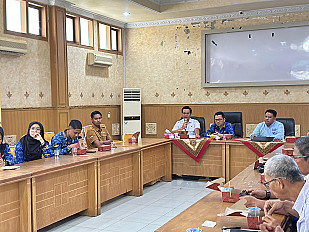
Jambi – The BioCarbon Fund–Initiative for Sustainable Forest Landscapes (BioCF-ISFL) program in Jambi Province continues to show significant progress as an effort to reduce emissions from the forestry and land use sectors. This World Bank-supported program implements a Results-Based Payment (RBP) scheme, where payments are only made based on verified, tangible emissions reductions.
In a presentation by Rahmad Mulyadi, he explained that the BioCF-ISFL program is implemented through three main stages: preparation, pre-investment, and performance-based payments. During the preparation phase, which took place from 2019–2021, the Jambi Provincial Government, together with the Ministry of Environment and Forestry (KLHK), prepared various important documents, such as the Emission Reduction Program Document (ERPD) and safeguard documents, as well as established institutions and designated four Forest Management Units (KPH) as intervention areas.
Entering the pre-investment phase from 2021–2025, Jambi received a grant from the World Bank of approximately USD 13.5 million. These funds will be used to support activities at the Forest Management Unit (KPH) and regional government organization (OPD) levels, with a focus on creating supportive conditions for emission reduction. Performance payments have not yet been made at this stage, as field preparation is still underway.
Meanwhile, in the RBP phase, covering the 2020–2026 period, Jambi Province is targeted to reduce emissions by 10 million tons of CO₂e, with a payment rate of USD 7 per ton. However, to date, this payment has not been realized because the Emission Reduction Payment Agreement (ERPA) is still in the signing process.
In terms of implementation, socialization and the Free, Prior, and Informed Consent (FPIC) process, or Padiatapa, have been conducted in 230 villages. All villages have agreed to participate in the program without coercion. The RBP prerequisite documents were also declared final in early 2025.
Dio Mulyanda explained that the calculation of emission reductions is carried out through the Measurement, Reporting, and Verification (MRV) or Measurement, Analysis, and Reporting (MAR) system, by comparing actual emissions against historical baseline emissions. The results of this calculation form the basis for claiming RBP payments. Entities eligible to receive benefits include villages, FMUs, national parks, permit holders, social forestry, and local governments mandated to manage the area.
Regarding benefit sharing, Hendra Admaja stated that the mechanism is regulated in the Benefit Sharing Mechanism (BSM) document and refers to national regulations. The largest allocation of benefits is based on emissions reduction performance, but villages that do not fall into the performance category still have the opportunity to receive support through socio-economic allocations.
Social and environmental protection aspects are also a primary concern. Taufik explained that REDD+ safeguards are implemented to minimize social and environmental risks, such as land conflicts, health risks, and gender equality issues. Safeguards include environmental document screening, complaint management through the Feedback and Grievance Redress Mechanism (FGRM), and regular monitoring and evaluation.
During the discussion, representatives from the Community and Village Empowerment Agency (PMD) inquired about the possibility of adding more beneficiary villages. The resource person emphasized that additional villages are possible as long as they are within the intervention area and meet the program criteria. Monitoring, evaluation, and auditing issues were also highlighted, with the emphasis being placed on multi-layered oversight, including audits through an intermediary institution (Lemtara) scheme, which adheres to international climate finance practices.
In conclusion, the BioCF-ISFL Program is considered to offer broad benefits to villages and regional stakeholders in Jambi. The program's success depends heavily on the signing of the ERPA, strengthening institutional capacity through technical guidance, and the active role of the Regency/City Working Groups (Pokja) coordinated by the Environmental Agency in ensuring effective, transparent, and accountable program implementation.
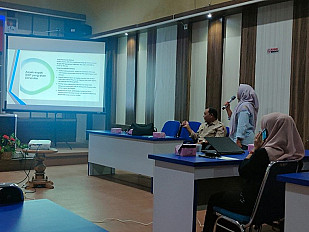
Sungai Penuh/Kerinci – To support the implementation of the Result-Based Payment (RBP) phase of the BioCarbon Fund–Initiative for Sustainable Forest Landscapes (BioCF ISFL) program, outreach activities were held in Sungai Penuh City and Kerinci Regency from December 14–17, 2025.
This activity aimed to provide all stakeholders with a comprehensive understanding of the results-based payment concept, including its objectives, implementation mechanisms, and the success indicators that must be achieved for payment to be realized. Furthermore, the outreach activities were also aimed at strengthening coordination between local governments, communities, the private sector, and non-governmental organizations involved in the BioCF-ISFL program.
The first outreach was held in Sungai Penuh City on Monday, December 15, 2025, at the Sungai Penuh City Regional Development Planning Agency (Bappeda), and continued in Kerinci Regency on Tuesday, December 16, 2025, at the Kerinci Regency Regional Development Planning Agency (Bappeda). Both activities began at 8:30 a.m. Western Indonesian Time and were attended by representatives of regional government agencies and relevant stakeholders.
The discussion in Sungai Penuh City included safeguard documents in accordance with Ministerial Regulation No. 21 of 2022, including the process for submitting community proposals to the safeguard secretariat and the format for the Environmental Management Statement (SPPL), which adheres to World Bank standards. Furthermore, the importance of establishing a Working Group (Pokja) through a Regional Head Decree was emphasized, adapting to regional needs and ensuring the inclusive involvement of all competent parties.
The discussion also highlighted the differences between villages receiving performance allocations and villages receiving socio-economic incentive allocations. Villages receiving performance allocations are determined based on emission reduction calculations by the Measurement, Analysis, and Reporting (MAR) team, while villages receiving socio-economic incentive allocations are determined based on processed data from the Regency and the Spatial Information Agency (BIG), which is then discussed with stakeholders before being proposed to the provincial level.
Meanwhile, during the socialization in Kerinci Regency, the local government is expected to immediately establish a Regency Working Group (Pokja) and submit a draft of its formation to the National Development Planning Agency (SNPMU). Membership of the Working Group (Pokja) is recommended based on names, not positions, to ensure long-term sustainability. In addition, the mechanism for allocating funds for Social Forestry (PS) based on the area and emission reduction performance calculated by the MAR team was also discussed.
Regarding socio-economic incentives, Kerinci Regency is encouraged to immediately register potential beneficiary villages, considering that the deadline for determining RBP fund recipients is December 31, 2025. After that date, unregistered villages will be ineligible for results-based payment benefits.
In conclusion, the Sungai Penuh City and Kerinci Regency governments are expected to immediately establish a Working Group (Pokja) covering greenhouse gas emission calculations, safeguards, benefit-sharing mechanisms, and monitoring and evaluation. Furthermore, potential village boundary conflicts will be further discussed at the provincial level. The list of villages receiving socio-economic incentives will be determined through a discussion mechanism at the district level and ratified by a Governor's Decree.
Through this outreach, it is hoped that all parties will have a common understanding, active community participation will increase, and the implementation of the BioCF ISFL Program will be transparent, accountable, and sustainable.
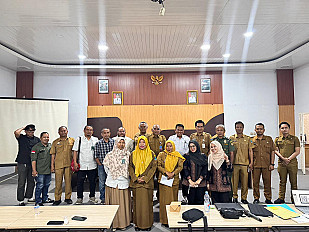
Batanghari – The BioCarbon Fund–Initiative for Sustainable Forest Landscapes (BioCF-ISFL) program in Jambi Province has continued to show significant progress since its inception in 2019. The program is designed in three phases: preparation (2019–2021), pre-investment (2021–2025), and performance-based payments (RBP) in 2020–2026.
In discussions involving various stakeholders, it was reported that the Free, Prior, and Informed Consent (FPIC) process, or FPIC, has been conducted in 230 villages/sub-districts located in and around forest areas across all regencies/cities in Jambi Province. All villages have expressed their willingness to participate in the BioCF-ISFL program without coercion and have signed a Minutes of Agreement.
In addition, important prerequisite documents such as the Emission Reduction Program Document (ERPD), Benefit Sharing Mechanism (BSM), Safeguards, and Environmental and Social Due Diligence (ESDD) have been prepared and finalized as the basis for the Emission Reduction Payment Agreement (ERPA). However, the ERPA is still awaiting signature.
It was agreed that the performance payment rate would be set at US$7 per ton of CO₂e, with an emissions reduction target of 10 million tons of CO₂e. The RBP fund is projected to reach approximately US$70 million and will be disbursed during the 2025–2026 period through the Environmental Fund Management Agency (BPDLH).
Under the RBP mechanism, emission reduction performance is measured through the Measurement, Reporting, and Verification (MRV) system (known as MAR in Jambi), which compares actual emissions from 2020–2022 with baseline emissions based on historical data from 2006–2018. Emission reduction is declared achieved if actual emissions are lower than the baseline.
Regarding benefit distribution, there are five beneficiary groups: the government, the private sector, communities/villages, non-governmental organizations (NGOs), and universities. The largest allocation is given to communities and villages, including Social Forestry groups, Forest Management Units (KPH), conservation units, and businesses that contribute directly to emission reduction. The form of benefits consists of monetary (cash) and non-monetary (in-kind) benefits, with a composition of 40 percent allocated for emission reduction activities and 60 percent for socio-economic programs.
In Batanghari Regency, the Forest Management Unit (FMU) plays a strategic role as the spearhead of forestry implementation. The FMU is tasked with cross-sector coordination, preparing and recommending proposals, and preparing environmental documents in accordance with safeguard provisions. The FMU is also part of the working group (Pokja) and is one of the program's beneficiaries.
This program involves nine villages across three sub-districts: Mersam, Muaro Sebo Ulu, and Muaro Bulian. Villages with and without forest areas are encouraged to participate in inclusive forest management.
The Batanghari Regency Government has demonstrated its strong commitment by integrating the BioCF-ISFL program into the Regional Medium-Term Development Plan (RPJMD) as part of its greenhouse gas emission reduction strategy. With the readiness of the province and district, the BioCF-ISFL program is expected to provide environmental benefits while improving community welfare in a sustainable manner.
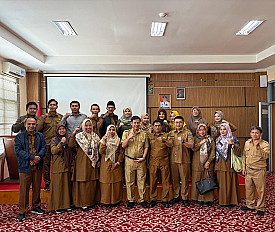
West Tanjung Jabung – As part of the socialization of the Result-Based Payment (RBP) phase of the BioCarbon Fund – Initiative for Sustainable Forest Landscapes (BioCF-ISFL) Program, the implementation team conducted an official visit to West Tanjung Jabung Regency, Jambi Province. The activity took place on December 15, 2025, at the West Tanjung Jabung Regional Development Planning Agency (Bappeda) Office.
The visit aimed to convey the latest developments in the BioCF-ISFL Program, specifically regarding the RBP stages, the local government's readiness to prepare RBP proposals in accordance with the Benefit Sharing Plan (BSP) Document, and identify obstacles faced by the region in program implementation.
During the socialization, participants received an explanation of the BioCF-ISFL implementation stages, the status of the Emission Reduction Payment Agreement (ERPA), and emission calculation methods, including an example of calculating emission factors due to forest cover change. Furthermore, West Tanjung Jabung Regency was declared to have understood the Measurement, Reporting, and Verification (MAR) process, which includes collecting fire and deforestation data, spatial analysis, and preparing emission reduction reports.
A benefit-sharing mechanism specific to West Tanjung Jabung Regency, namely direct transfers to villages by the Environmental Fund Management Agency (BPDLH), was also presented and well-received by participants. This socialization also explained the beneficiary groups, including companies holding HGU (right-to-use permit) permits and independent farmers allocated as buffers.
In addition to technical aspects and benefit distribution, safeguard program instruments, the Feedback and Grievance Redress Mechanism (FGRM), and a list of prohibited activities (negative list) were comprehensively presented to representatives of regional government agencies (OPD), village governments, and relevant stakeholders.
Overall, the BioCF-ISFL RBP socialization activity in West Tanjung Jabung Regency proceeded well and successfully increased stakeholders' understanding of the MAR flow, benefit-sharing mechanism, and the provisions for direct fund disbursement from BPDLH to villages. Although several villages still require further assistance in preparing proposals and collecting baseline data, this activity is considered to have strengthened West Tanjung Jabung Regency's readiness for the RBP phase and supported program implementation at the district level.
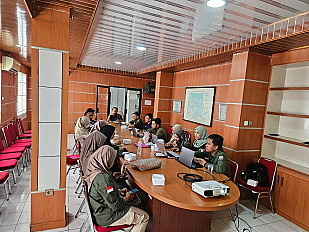
The Jambi Provincial Government, through the BioCarbon Fund – Initiative for Sustainable Forest Landscapes (BioCF–ISFL) Program, conducted a socialization of the Result-Based Payment (RBP) Phase in East Tanjung Jabung Regency. The event took place on December 12, 2025, at the Tanjung Jabung Timur Regency Bappeda Office.
The purpose of this official visit was to convey the latest developments in the BioCF–ISFL Program, specifically regarding the RBP stages, the status of the Emission Reduction Payment Agreement (ERPA), and emission reduction targets. Furthermore, the event focused on conveying the regional government's readiness to prepare RBP proposals in accordance with the Benefit Sharing Plan (BSP) Document, while also identifying various challenges faced at the regional level.
The event provided a presentation on the BioCF–ISFL stages, emission calculations, baseline determination, land use change activities, and the role of Measurement, Reporting, and Verification (MRV/MAR) in verifying emission reductions. The benefit-sharing mechanism is also explained in detail, including allocations for the government, villages, social forestry, the private sector, NGOs, and universities, as well as the mandatory allocation of at least 10 percent for Gender Equality and Social Inclusion (GESI).
The Tanjung Jabung Timur Regency Environmental Agency stated that it understands its duties and role in screening RBP proposals in accordance with the BSP and the importance of synchronizing them with regional development plans. Furthermore, various local issues were discussed, such as the availability and validity of land cover data, plantation HGU status, and the readiness of social forestry entities as potential program beneficiaries.
Overall, the socialization of the BioCF–ISFL RBP in Tanjung Jabung Timur Regency went well and was deemed effective in increasing local government understanding. This activity also strengthened coordination between regional agencies as a first step to expedite the preparation of RBP proposals in accordance with BSP provisions. Going forward, this activity is expected to be followed up with further technical assistance to address data constraints and the readiness of regional entities.
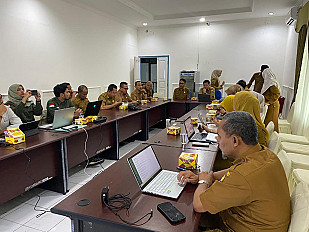
Muaro Jambi — As part of the socialization of the Result-Based Payment (RBP) phase of the BioCarbond Fund—Initiative for Sustainable Forest Landscape (BioCF-ISFL) program to districts/cities in Jambi Province, the implementation team conducted an official visit to the districts/cities in Muaro Jambi. This activity took place on December 8, 2025, at the Muaro Jambi Regency Regional Development Planning Agency (Bappeda) office.
The visit aimed to convey the latest developments in the BioCF-ISFL program, specifically regarding the RBP stages, the regional government's readiness to prepare RBP proposals in accordance with the Benefit Sharing Plan (BSP) Document, and to identify various obstacles faced at the district level.
During the socialization activity, participants received a comprehensive presentation on the stages of the BioCF-ISFL program, including the preparation phase, pre-investment phase, and RBP phase. Additionally, the status of key supporting documents, such as the Emission Reduction Program Document (ERPD), Benefit Sharing Mechanism (BSM), Safeguards, and Environmental and Social Due Diligence (ESDD), was also discussed.
The Muaro Jambi Regency Government also gained an understanding of the revised Emission Reduction Payment Agreement (ERPA) target, now set at 10 million tons CO2e. Participants received a detailed explanation of the RBP proposal development mechanism, the screening process by the Regency Environmental Agency (DLH), and the importance of program synchronization with the Village Medium-Term Development Plan (RPJM Desa) and the Regency RPMJD.
Furthermore, the socialization also covered the Measurement, Analysis, and Reporting (MAR) process, from collecting data on land cover, forest and land fires, Near Real-Time (NRT) monitoring, spatial analysis using BioCF Tools, to preparing emission reduction reports. Material on safeguards, environmental documents, and the Feedback and Grievance Redress Mechanism (FGRM) was also presented and received a positive response from the Regional Apparatus Organizations (OPD) and stakeholders in attendance.
As a result of this activity, the Muaro Jambi Regency Working Group (Pokja) expressed its commitment to strengthening the role of the Safeguards secretariat, Monitoring and Evaluation (MONEV), and the village proposal verification process in supporting RBP implementation.
Overall, the BioCF-ISFL RBP Program socialization in Muaro Jambi Regency went smoothly and was deemed to have provided participants with a stronger understanding. While technical capacity building is still needed, particularly in MAR, safeguards, and land cover data updates, this activity provided a crucial foundation for the follow-up development and verification of RBP proposals at the district level.
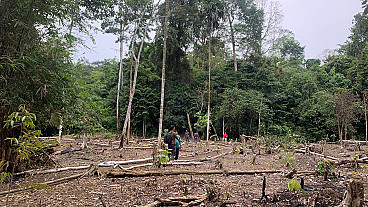
Forestry and environmental community empowerment efforts implemented in Sungai Merah Village, Pematang Kolim Village, and Pematang Kabau Village have shown positive results in increasing community capacity while maintaining the sustainability of natural resources. The program, implemented in the 2024 and 2025 fiscal years, includes Agroforestry Field School activities, honey bee business development, and ecosystem restoration in the Bukit Dua Belas National Park (TNBD) area.
In Sungai Merah Village, the Agroforestry Field School program in 2024 provided a means to enhance community knowledge and skills in sustainable land management. This program established a 3-hectare agroforestry demonstration plot with long-term crops such as durian and mango. Although economic benefits are not immediately apparent due to the long growth time of these crops, the program has successfully raised community awareness of the importance of long-term land management. The program is expected to become a future investment, improving community well-being through technical assistance and sustainable management.
Meanwhile, in Pematang Kolim Village, the Pematang Kolim Forest Farmers Group (KTH) received business development assistance in the form of honey bee setup assistance in the 2025 fiscal year. This activity aims to open new business opportunities through honey bee culture. Group members have received training ranging from bee virginity, feeding, to honey harvesting techniques. Currently, honey harvests can be carried out every 25 days, although the production volume is still limited due to some bee colonies escaping. To support marketing, the group has collaborated with local Micro, Small, and Medium Enterprises (MSMEs). From an institutional perspective, the division of tasks among members has been running well, demonstrating the group's commitment to developing a sustainable honey business.
In Pematang Kabau Village, activities are focused on ecosystem restoration in the Bukit Dua Belas National Park area through a collaboration between the national park and KTH Lestari. Established in 2013, the group has 23 members and is led by Slamet Riyadi. In its implementation, KTH Lestari plays an active role not only in replanting but also in independent seedling production. The method used is species enrichment planting by planting local species such as durian, avocado, jengkol, and rambutan. This activity aims to increase biodiversity while providing potential long-term economic benefits for the surrounding community.
Overall, the implementation of these three programs demonstrates that community empowerment, accompanied by technical assistance and institutional strengthening, can have a positive impact on the environment and the local economy. Although still facing several challenges, such as the waiting period for agroforestry harvests, low honey production, and the need for rehabilitation plant maintenance, these three villages have significant potential for growth. With ongoing assistance and multi-stakeholder collaboration, these programs are expected to become models of community empowerment that provide sustainable ecological and economic benefits.
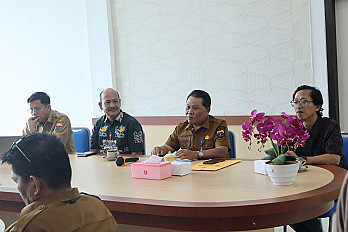
Jambi – The province of Jambi is one of the provinces in Indonesia that has successfully integrated a low-emission development approach with policies on the economic value of carbon in the planning and implementation of sustainable development through the BioCF-ISFL Project.
The success of Jambi Province has inspired and motivated the Central Kalimantan Province Working Group on Reducing Emissions from Deforestation and Forest Degradation Plus (REDD+) to commit to strengthening and implementing sustainable development policies in Central Kalimantan Province in order to achieve GHG emission reduction targets and utilize the economic value of carbon. The Jambi Provincial Government has affirmed its commitment to reducing greenhouse gas emissions through the implementation of the BioCF-ISFL Program, which runs from 2022 to 2025. The program, which is supported by a grant from the World Bank, targets a reduction in emissions of up to 10 million tons of CO2e.
The Head of the Provincial Development Planning Agency (Bappeda) of Jambi Province, Ir. Agus Sunaryo, M.Si, explained that Jambi Province has a forest area of 2.12 million hectares based on Decree of the Minister of Environment and Forestry No. 6613 of 2021. This area includes conservation forests, protected forests, and production forests, as well as four national parks, namely Kerinci Seblat, Bukit Dua Belas, Bukit Tigapuluh, and Berbak. The diversity of ecosystems—ranging from mountains, lowlands, to coasts and seas—makes Jambi one of the regions with the most complete ecosystems in Sumatra.
KPH Intervention and Sustainable Forest Management
In the BioCF program, several Forest Management Units (KPH) were designated as intervention areas, including KPHP Bungo, Merangin, Tanjung Jabung Barat, and Hilir Sarolangun.
The Jambi Provincial Forestry Service, through H. Andri Yushar Andria, S.Hut., M.Si, outlined a number of key activities that have been carried out, including routine forest patrols to prevent illegal logging, forest fire patrols and training for the Fire Awareness Community (MPA), rehabilitation of 1,665 hectares of peatland and agroforestry, and facilitation of institutional strengthening for 68 forest farmer groups. Conflict management also showed significant improvement, with the number of mediations decreasing from 45 cases (2002) to 14 cases (2024). In addition, 47 Fire Awareness Groups have been formed in peatland areas to date.
Safeguarding REDD+ and the Role of Indigenous Peoples
In another presentation session, Yunasri Basri, S.Pt., M.Si explained the implementation of REDD+ safeguards in Jambi as an effort to minimize negative impacts and increase positive impacts on communities. The structure of safeguards in Jambi Province is coordinated by SNPMU Bappeda, covering the areas of Safeguards, BSM, MAR, Monev, and the Secretariat.
Safeguards emphasize aspects of governance transparency, community participation, respect for indigenous peoples' rights (MHA), biodiversity conservation, and prevention of emissions leakage. Every activity must be accompanied by environmental documentation, including terms of reference for meetings or training activities. MHA assistance is carried out in collaboration with three NGO groups: conflict resolution, environmental preservation (WALHI & WARSI), and formal assistance for MHA recognition. Indigenous peoples are also one of the beneficiaries of the Result Based Payment (RBP) stage, in accordance with their contribution to protecting indigenous territories. In terms of GESI (Gender Equality & Social Inclusion), every FPIC process requires the presence of at least five women, and there is a specific program to increase women's capacity in REDD+ activities.
Kerangka MAR dan Penghitungan Emisi
The Head of SNPMU, Ir. H. Sepdinal, ME, emphasized that the Monitoring, Analysis, and Reporting (MAR) system is the main foundation for calculating emissions. The MAR division, which was formed based on Governor's Decree No. 150/2022, is tasked with monitoring changes in land cover, calculating GHG emissions, determining baselines, and reporting emission reductions to the National Registry System (SRN).
The MAR system processes land cover data from 2006 to 2025, monitors fires, and analyzes uncertainty using the Monte Carlo method. The results of MAR are then submitted to the KPH and field units for early mitigation of deforestation and fires.
Funding, Reporting, and Benefit Distribution
Program contact person, Risti Putri, M.Ec.Dev added that BioCF funding comes from the Regional Budget (APBD) and the Environmental Fund Agency (Lemtara). Three types of reports must be submitted: activity performance reports, results-based emission reduction reports, and environmental and social reports. The Benefit Sharing Mechanism (BSM) scheme will distribute funds to the government, KPH, villages, farmer groups, companies, social forestry, and indigenous peoples.
Penyelesaian Konflik Lahan
At the end of the discussion, the Forestry Service emphasized that land conflicts are complex issues that cannot be resolved quickly. Conflicts generally arise between communities and license holders, particularly regarding boundaries and land use. Resolution is achieved through regulation, the FGRM mechanism, multi-stakeholder mediation, and transparent governance.
Conclusion
The BioCF-ISFL program has strengthened institutional capacity, forest governance, and community participation in environmental conservation. With support from various parties—the government, indigenous peoples, NGOs, academics, and village communities—the province of Jambi is optimistic that it can achieve its emission reduction targets while improving the welfare of communities in forest areas. This program is not only an instrument for climate change mitigation, but also promotes more inclusive, equitable, and sustainable forest governance for the future of Jambi.