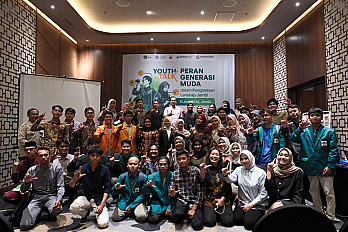
Jambi, 16 Juni 2026 - Semangat menjaga lingkungan dan lanskap hutan jambi dengan cara masing-masing kaum muda Jambi menjadi benang merah dalam kegiatan Youth Talk: Peran Generasi Muda dalam Pengelolaan Lanskap Jambi yang diselenggarakan Program BioCF-ISFL Jambi pada 10 Juni 2026 di Kota Jambi. Sebanyak 57 peserta dari kalangan mahasiswa, akademisi, komunitas pemuda, organisasi masyarakat sipil, hingga perwakilan pemerintah daerah muda hadir untuk belajar langsung dari para anak muda yang telah mengambil peran nyata dalam pengelolaan lanskap berkelanjutan di Jambi.
Melalui suasana diskusi yang hangat dan interaktif, para peserta diajak melihat bahwa menjaga hutan dan lingkungan tidak hanya dilakukan oleh polisi hutan atau petugas konservasi. Setiap orang dapat berkontribusi melalui berbagai profesi dan bidang yang ditekuni, mulai dari ekowisata, pendidikan, pertanian, pendampingan masyarakat, hingga media digital.
Diskusi yang dipandu oleh praktisi media - komunikasi lingkungan dan isu-isu pembangunan, Musfarayani, menghadirkan lima narasumber muda inspiratif, yaitu Dozer Holizar (Ketua Pokdarwis Rawa Bento), Tiara Tamara Surya (Pengendali Ekosistem Hutan Taman Nasional Bukit Duabelas), Pantas Aldi Brilian Manalu (Polisi Kehutanan Taman Nasional Berbak-Sembilang), Sariani, APHP Ahli Muda Dinas Tanaman Pangan, Hortikultura, dan Peternakan Provinsi Jambi, serta Afifi Atfi, kreator konten dan pegiat pendidikan lingkungan.
Salah satu kisah yang menarik perhatian peserta datang dari Dozer Holizar. Sebagai sarjana muda, ia memilih kembali ke kampung halamannya di kawasan Rawa Bento, Kabupaten Kerinci. Bersama pemuda desa dan masyarakat setempat, ia mengembangkan ekowisata sebagai sarana menjaga kelestarian kawasan sekaligus membuka peluang ekonomi baru bagi warga.
Melalui dukungan berbagai pihak, termasuk Taman Nasional Kerinci Seblat dan Program BioCF-ISFL Jambi, inisiatif tersebut terus berkembang. Saat ini, ekowisata Rawa Bento tidak hanya menjadi destinasi wisata alam yang dikenal wisatawan domestik namun juga mancanegara. Keberadaan ekowisata yang dikelola Dozer dan kawan-kawannya telah memberikan manfaat ekonomi bagi masyarakat melalui jasa wisata, usaha kuliner, hingga kerajinan berbahan eceng gondok yang dikelola kelompok perempuan.
Menurut Dozer, anak muda memiliki peluang besar untuk membangun daerahnya sendiri apabila mampu melihat potensi yang ada di sekitarnya.
“Banyak hal yang bisa dilakukan di kampung sendiri. Yang penting berani memulai dan terus belajar. Jangan lupa berkolaborasi,” ujarnya.
Inspirasi lain datang dari Tiara Tamara Surya yang sehari-hari bertugas sebagai Pengendali Ekosistem Hutan di Taman Nasional Bukit Duabelas (TNBD). Para peserta muda yang mendengar langsung menyebutnya sebagai “Avatar”. Membuat semuanya tertawa. Tiara terlihat bangga dengan sebutan tersebut. Tiara pun melanjutkan cerita pengalamannya mendampingi komunitas Orang Rimba \, indigenous people yang tinggal di dalam TNBD. memperlihatkan bahwa pelestarian kawasan hutan dapat berjalan seiring dengan pemberdayaan masyarakat.
Melalui dukungan Program BioCF-ISFL Jambi, TNBD mengembangkan berbagai kegiatan yang mendorong rehabilitasi lahan, penguatan ekonomi berbasis hasil hutan bukan kayu, serta pemberdayaan perempuan Orang Rimba.
Salah satu hasil yang berkembang adalah keterampilan perempuan Orang Rimba dalam memproduksi kerajinan tangan yang kini menjadi salah satu cenderamata khas kawasan. Selain memberikan nilai ekonomi, kegiatan tersebut juga membantu menjaga pengetahuan dan kearifan lokal yang diwariskan secara turun-temurun.
Tiara juga mengajak mahasiswa dan perguruan tinggi untuk lebih dekat dengan kawasan konservasi melalui penelitian, praktik lapangan, maupun kegiatan pengabdian masyarakat.
“Banyak pelajaran yang bisa diperoleh dari hutan, termasuk tentang hubungan manusia dengan alam dan pentingnya menjaga keberlanjutan bagi generasi mendatang,” katanya.
Menjadi Penjaga Ekosistem Gambut Pesisir
Dari bentang alam pesisir timur Jambi, Pantas Aldi Brilian Manalu berbagi pengalamannya sebagai Polisi Kehutanan di Taman Nasional Berbak-Sembilang, salah satu kawasan ekosistem gambut penting di Indonesia bahkan dunia.
Menurut Aldi, menjaga kawasan yang luas dan memiliki karakteristik unik seperti Berbak-Sembilang membutuhkan kerja sama yang erat antara petugas lapangan dan masyarakat. Karena itu, kolaborasi dengan Masyarakat Peduli Api (MPA) dan kelompok masyarakat lainnya menjadi bagian penting dalam upaya perlindungan kawasan.
Dukungan Program BioCF-ISFL Jambi turut memperkuat kegiatan patroli lapangan, peningkatan kapasitas masyarakat, serta berbagai upaya pencegahan kebakaran hutan dan lahan.
Peserta tampak antusias ketika Aldi membagikan pengalaman pertamanya saat melakukan patroli lapangan. Cerita tersebut menjadi pengingat bahwa menjaga kawasan konservasi membutuhkan kedisiplinan, kerja sama tim, dan penghormatan terhadap satwa liar di habitat alaminya.
Sementara itu, Sariani dari Dinas Tanaman Pangan, Hortikultura, dan Peternakan Provinsi Jambi mengajak peserta melihat sektor pertanian dari perspektif yang lebih modern dan menjanjikan.
Melalui dukungan Program BioCF-ISFL Jambi, berbagai kegiatan pelatihan dan pendampingan telah dilakukan untuk memperkuat praktik pertanian yang produktif sekaligus berkelanjutan di sekitar kawasan hutan.
Menurutnya, banyak komoditas unggulan Jambi yang memiliki potensi besar untuk dikembangkan oleh generasi muda melalui inovasi produk, pemasaran digital, maupun agribisnis berbasis teknologi.
“Bertani bukan sekadar pekerjaan tradisional. Pertanian memiliki peluang besar untuk menjadi profesi masa depan yang mampu menciptakan nilai ekonomi sekaligus menjaga keberlanjutan lingkungan,” jelasnya.
Narasumber lainnya, Afifi Atfi, menunjukkan bahwa kontribusi terhadap lingkungan juga dapat dilakukan melalui jalur pendidikan dan media digital.
Kepeduliannya berawal dari upaya meningkatkan akses pendidikan bagi anak-anak di komunitas Orang Rimba dan wilayah terpencil di Jambi. Bersama para relawan, ia terus mendampingi kegiatan belajar sekaligus memanfaatkan media sosial untuk menyebarkan pesan-pesan positif tentang lingkungan dan pendidikan.
Menurutnya, setiap anak muda memiliki ruang kontribusi yang berbeda. Tidak harus bekerja di sektor kehutanan untuk ikut menjaga lingkungan.
“Media sosial, pendidikan, dan berbagai platform kreatif bisa menjadi sarana untuk membangun kesadaran dan menginspirasi lebih banyak orang,” ujarnya.
Membuka Perspektif Baru bagi Generasi Muda
Antusiasme peserta terlihat sepanjang kegiatan. Sedikitnya sepuluh pertanyaan diajukan kepada para narasumber, bahkan diskusi terus berlanjut setelah sesi resmi berakhir.
Banyak peserta mengaku memperoleh perspektif baru mengenai pengelolaan lanskap dan pembangunan berkelanjutan. Mereka memahami bahwa menjaga hutan dan lingkungan tidak hanya berkaitan dengan perlindungan kawasan, tetapi juga menyangkut pemberdayaan masyarakat, pengembangan ekonomi lokal, pendidikan, dan keterlibatan generasi muda.
“Saya baru tahu potensi pengembangan ekowisata seperti di Rawa Bento. Menarik sekali melihat bagaimana upaya pelestarian lingkungan juga dapat membuka peluang ekonomi bagi masyarakat,” ujar Muhammad Sofyan, mahasiswa Teknik Lingkungan Universitas Bahari.
Peserta lainnya, Ali Syahab Hanif dari Program Studi Agrobisnis Universitas Jambi, mengaku mendapatkan banyak wawasan baru mengenai kolaborasi yang dilakukan berbagai pihak bersama masyarakat sekitar hutan dan Orang Rimba.
“Diskusi ini membuka wawasan saya bahwa banyak upaya kolaboratif yang dilakukan untuk mendukung masyarakat sekaligus menjaga kelestarian lingkungan. Saya jadi tertarik untuk belajar lebih jauh tentang isu-isu tersebut,” katanya.
Melalui kegiatan ini, Program BioCF-ISFL Jambi menunjukkan bahwa pengelolaan lanskap yang berkelanjutan membutuhkan keterlibatan banyak pihak, termasuk generasi muda. Berbagai kisah yang dibagikan para narasumber memperlihatkan bahwa menjaga hutan dan lingkungan dapat dimulai dari berbagai peran dan profesi.
Mulai dari mengembangkan ekowisata, mendampingi masyarakat, menjaga kawasan konservasi, mengembangkan pertanian berkelanjutan, hingga memanfaatkan media digital untuk menyebarkan inspirasi. Semua langkah tersebut menjadi bagian penting dalam membangun masa depan lanskap Jambi yang lestari, produktif, dan berkelanjutan. (***)
-thumb.jpg )
Pemerintah Provinsi Jambi terus memperkuat implementasi pembangunan rendah karbon dan berketahanan iklim sebagai bagian dari agenda pembangunan berkelanjutan daaerah. Upaya tersebut dibahas dalam Workshop Perhitungan serta Capaian Target Pembagunan Rendah Karbon dan Berketahanan Iklim Tahun 2026 yang menghadirkan narasumber dari Kementerian PPN/Bappenas pada 25 Mei 2026.
Dalam paparan Direktorat Lingkungan Hidup Bappenas dijelaskan bahwa pembangunan rendah karbon menjadi bagian penting dari arah kebijakan nasional menuju visi Indonesia Emas 2045. Pendekatan ini menekankan pertumbuhan ekonomi yang tetap menjaga keberlanjutan lingkungan melalui pengurangan emisi gas rumah kaca (GRK), penguatan ekonomi hijau, dan peningkatan ketahanan terhadap dampak perubahan iklim.
Provinsi Jambi sendiri telah memiliki landasan kebijakan melalui Peraturan Daerah Nomor 4 Tahun 2023 tentang Rencana Pertumbuhan Ekonomi Hijau serta Peraturan Gubernur Nomor 7 Tahun 2024 mengenai pelaksanaan kebijaksanaan tersebut. Dalam dokumen pembangunan daerah, Jambi menargetkan penurunan intensitas emisi hingga 97,88 persen pada tahun 2045, serta penurunan emisi GRK kumulatif mencapai 44,53 persen.
Bappenas menilai ancaman perubahan iklim terhadap pembangunan semakin nyata. Secara nasional, kerugian ekonomi akibat perubahan iklim diproyeksikan meningkat dari Rp469 triliun pada 2025 menjadi Rp2.005 triliun pada 2029 jika tidak ada intervensi kebijakan. Selain itu, Indonesia juga menghadapi peningkatan suhu, kenaikan muka laut, serta tingginya kenadian bencana hidrometeorologi.
Untuk mendukung pengendalian perubahan iklim, pemerintah menggunakan platform AKSARA sebagai sistem pemantauan aksi pembangunan rendah karbon dan berketahanan iklim. Sistem ini memungkinkan pemerintah pusat, pemerintah daerah, hingga non-state actors melakukan pelaporan aksi penurunan emisi secara transparan, terintegrasi, dan berbasis data.
Melalui AKSARA, capaian pembangunan rendah karbon di Jambi dapat dipantau secara berkala. Data Bappenas menunjukan bahwa pada tahun 2024 potensi penurunan emisi GRK Provinsi Jambi mencapai 819.751 ton CO2eq. Sektor kehutanan dan lahan gambut menjadi kontributor terbesar dengan total penurunan emisi kumulatif mencapai 9,7 juta ton CO2eq selama periode 2010-2024.
Dalam workshop tersebut juga dibahas pentingnya integrasi sistem perubahan iklim nasional, seperti AKSARA, SIGN SMART, SRN, dan Climate Budget Tagging (CBT). Integrasi ini dinilai penting untuk memperkuat sistem monitoring, reporting, and verification (MRV), meningkatkan akurasi data emisi, serta mendukung pembiayaan pembangunan hijau berbasis kinerja.
Selain itu, Program BioCarbon Fund–Initiative for Sustainable Forest Landscapes (BioCF-ISFL) juga disebut memberikan kontribusi besar terhadap penurunan emisi di Jambi. Program tersebut berhasil menurunkan emisi rata-rata sekitar 15 juta ton CO2eq per tahun melalui pengendalian deforestasi dan tata kelola karbon berbasis yurisdiksi.
Bappenas menekankan bahwa tantangan pembangunan rendah karbon di Jambi masih cukup besar, terutama karena tingginya ketergantungan ekonomi daerah terhadap sektor perkebunan dan tekanan terhadap kawasan hutan. Namun di sisi lain, Jambi memiliki peluang besar untuk menjadi provinsi hijau melalui penguatan aksi mitigasi, transfer teknologi hijau, serta pemanfaatan peluang pendanaan iklim.
Ke depan, penguatan sistem MRV, pelibatan seluruh pemangku kepentingan, dan integrasi aksi pembangunan rendah karbon ke dalam sektor-sektor pembangunan daerah menjadi langkah penting agar pertumbuhan ekonomi tetap berjalan seiring dengan upaya menjaga lingkungan dan menghadapi perubahan iklim.
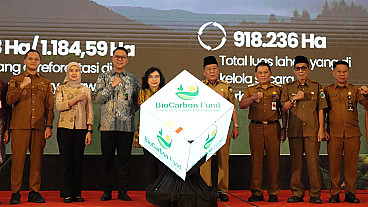
Jambi, 4 Mei 2026 — Pemerintah Provinsi Jambi resmi menutup (closing program) fase pra-investasi Program BioCarbon Fund – Initiative for Sustainable Forest Landscape (BioCF ISFL) periode 2022–2026. Penutupan ini menjadi momentum penting bagi daerah dalam memperkuat arah pembangunan rendah karbon dan ekonomi hijau.
Pemprov Jambi menilai program ini telah memberikan fondasi kuat dalam upaya pengendalian perubahan iklim, khususnya melalui pengelolaan hutan dan ahan secara berkelanjutan. Selama fase pra-investasi, berbagai penguatan telah dilakukan, mulai dari kebijakan, kelembagaan, hingga implementasi di lapangan.
Wakli Gubernur Jambi menegaskan bahwa daerah memiliki peran strategis dalam mendukung target nasional penurunan emisi gas rumah kaca (GRK). Dengan potensi sumber daya alam yang besar, Jambi berkontribusi sekitar 10% terhadap target nasional sektor FOLU Net Sink 2030.
"Program ini tidak hanya berdampak pada lingkungan, tetapi juga membuka peluang peningkatan kesejahteraan masyarakat melalui skema ekonomi hijau," menjadi salah satu penekanan dalam penyampaian Pemprov.
Dari sisi capaian, hingga Maret 2026, penurunan emisi di Provinsi Jambi tercatat mencapai 29,6 juta ton CO2e, melampaui target awal program sebesar 14 juta ton CO2e. Selain itu, lebih dari 350 ribu hektare lahan telah dikelola dengan praktik berkelanjutan.
Selain itu, melalui dukungan pendanaan dari berbagai pihak termasuk Badan Pengelola Dana Lingkungan Hidup (BPDLH), Pemprov Jambi memperkuat akses pembiayaan berkelanjutan yang terintegrasi, baik dari sumber domestik maupun internasional.
Dengan berakhirnya fase pra-investasi, Pemprov Jambi menegaskan kesiapan untuk melanjutkan ke tahap berikutnya, yaitu pembayaran berbasis kinerja (result-based payment), serta membuka peluang masuk ke pasar karbon global.
Melalui closing program ini, Pemprov Jambi optimistis dapat memperkuat posisinya sebagai daerah percontohan dalam pembangunan rendah karbon, sekaligus memastikan keseimbangan antara pertumbuhan ekonomi dan kelestarian lingkungan.
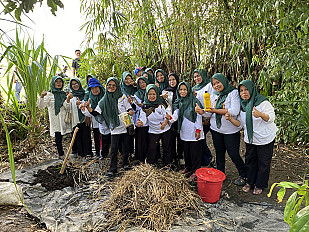
Sungai Penuh, 21 April 2026 — Upaya penurunan emisi gas rumah kaca (GRK) terus dilakukan melalui berbagai kegiatan di sektor pertanian. Salah satunya melalui pemanfaatan jerami menjadi kompos sebagai bagian dari praktik pencegahan dan penanganan kebakaran lahan usaha tani.
Kegiatan ini dilaksanakan oleh Dinas Tanaman Pangan, Hortikultura, dan Peternakan Provinsi Jambi melalui UPTD Balai Perlindungan Tanaman Pangan dan Hortikultura, dengan melibatkan Kelompok Wanita Tani (KWT) Berjaya di Desa Koto Beringin, Kecamatan Hamparan Rawang, Kota Sungai Penuh. Kelompok yang diketuai oleh Nasiah ini menjadi contoh keterlibatan aktif perempuan dalam mendukung target pembangunan berkelanjutan, khususnya pada indikator yang berkaitan dengan kesetaraan gender.
Program ini dilaksanakan sebanyak tiga kali melalui kegiatan bimbingan teknis (bimtek) yang diikuti oleh 15 peserta. Para peserta mendapatkan pendampingan langsung dari petugas lapangan, termasuk Pengendali Organisme Pengganggu Tumbuhan (POPT), POPT-PHP, serta penyuluh pertanian.
Tahapan kegiatan dimulai dari persiapan, yang meliputi sosialisasi dan koordinasi dengan dinas terkait serta kelompok tani penerima. Dalam tahap ini, peserta diberikan pemahaman mengenai bahaya pembakaran jerami, dampaknya terhadap lingkungan, serta sanksi yang dapat dikenakan. Selain itu, petani juga diberikan panduan teknis sebagai pedoman pelaksanaan kegiatan di lapangan.
Pada tahap pelaksanaan, petani melakukan praktik langsung pembuatan trichokompos jerami dengan ukuran sekitar 1 x 1 x 10 meter di lahan mereka. Kegiatan ini mencakup pemberian materi mengenai manfaat kompos jerami, praktik pembuatan, hingga aplikasi kompos di lahan pertanian. Selanjutnya, dilakukan evaluasi untuk melihat efektivitas penggunaan kompos dalam mendukung pencegahan kebakaran lahan.
Selain itu, kegiatan juga dilengkapi dengan pembinaan berkelanjutan, termasuk pendampingan administrasi kelompok serta penguatan kapasitas petani agar mampu menerapkan praktik ini secara mandiri dan berkelanjutan.
Dalam penerapannya di lapangan, proses pengomposan dilakukan langsung di area sawah setelah panen, sehingga kompos yang dihasilkan dapat dimanfaatkan saat pengolahan tanah berikutnya. Proses ini membutuhkan waktu sekitar dua minggu hingga satu bulan dan memerlukan ketersediaan air yang cukup.
Sebagai bagian dari pengelolaan agroekosistem, petani juga didorong untuk menanam tanaman refugia, seperti bunga tagetes, bunga kertas, dan bunga matahari kecil. Tanaman ini berfungsi sebagai habitat musuh alami hama, sehingga dapat membantu mengurangi serangan organisme pengganggu tanaman secara alami.
Melalui kegiatan ini, diharapkan petani tidak hanya mampu meningkatkan produktivitas lahan, tetapi juga berperan aktif dalam menjaga kelestarian lingkungan serta mencegah terjadinya kebakaran lahan di wilayah pertanian.
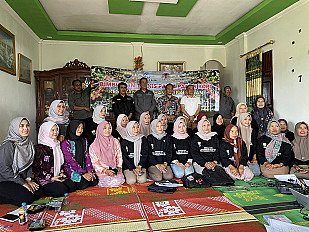
Kerinci, 16 April 2026 — Upaya meningkatkan daya saing kopi daerah terus dilakukan melalui sinergi antara pemerintah daerah, koperasi, dan petani. Hal ini terlihat dalam kegiatan pembinaan dan penguatan sektor kopi yang mencakup penerapan standar budidaya, pengolahan, hingga strategi hilirisasi produk.
Pemerintah Kabupaten Kerinci menegaskan komitmennya dalam pengembangan kopi sebagai komoditas unggulan daerah. Dalam arah kebijakan pembangunan sektor perkebunan tahun 2026, kopi menjadi fokus utama dengan pendekatan peningkatan nilai tambah dan daya saing. Produksi kopi Arabika di Kerinci tercatat mencapai sekitar 5.584 ton per tahun, dengan luas lahan hampir 3.000 hektare, menjadikannya salah satu komoditas ekspor andalan.
Selain itu, pemerintah juga mendorong hilirisasi produk, dari yang sebelumnya hanya menjual biji mentah (green bean), kini berkembang ke produk olahan seperti roasted bean dan ground coffee. Langkah ini dinilai mampu meningkatkan nilai ekonomi serta memperluas akses pasar global.
Di tingkat petani, penerapan Good Agricultural Practices (GAP) dan Good Manufacturing Practices (GMP) menjadi kunci peningkatan kualitas. GAP menekankan praktik budidaya yang baik mulai dari pemilihan bibit unggul, pemupukan, hingga panen selektif (petik merah). Sementara itu, GMP berfokus pada pengolahan pascapanen seperti sortasi, fermentasi, pengeringan hingga penyimpanan agar mutu kopi tetap terjaga.
“Jika GAP dan GMP diterapkan dengan baik, kualitas kopi meningkat dan harga jual juga lebih tinggi,” ungkap Yenni Efnita, S.Pt dalam kegiatan bimbingan teknis di Kabupaten Kerinci.
Namun demikian, tantangan di lapangan masih cukup besar. Serangan hama dan penyakit menjadi salah satu faktor utama yang memengaruhi produktivitas. Penyakit karat daun (Hemileia vastatrix), jamur upas, hingga hama seperti penggerek buah kopi kerap menyebabkan penurunan hasil bahkan gagal panen.
Untuk mengatasi hal tersebut, petani didorong menerapkan pengendalian terpadu, seperti sanitasi kebun, pemangkasan rutin, penggunaan varietas unggul tahan penyakit, serta pemanfaatan agen hayati.
Di sisi lain, peran kelembagaan petani juga semakin diperkuat. Salah satunya melalui Koperasi Koerintji Barokah Bersama (KKBB) yang telah berkembang pesat sejak berdiri pada 2017. Kini, koperasi tersebut memiliki sekitar 250 anggota dan mampu menembus pasar ekspor ke berbagai negara seperti Amerika Serikat, Australia, hingga Uni Emirat Arab.
Tak hanya fokus pada bisnis, koperasi ini juga aktif dalam program keberlanjutan lingkungan, seperti penerapan sistem agroforestri dan penanaman pohon di kawasan sekitar Taman Nasional Kerinci Seblat. Inisiatif ini menjadi bagian dari upaya menjaga keseimbangan antara produksi kopi dan kelestarian alam.
Dengan kolaborasi antara pemerintah, koperasi, dan petani, sektor kopi Kerinci diharapkan terus berkembang menjadi komoditas unggulan yang tidak hanya berdaya saing tinggi, tetapi juga berkelanjutan.
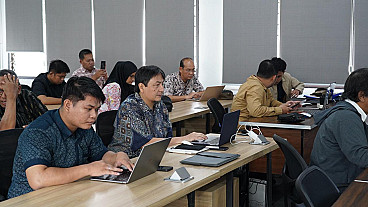
The MAR SNPMU BioCF ISFL Division conducted training and briefing on the use of the One Map application for ASN within the Jambi Provincial Government, namely Bappeda, the Communication and Information Service, the PUTR Service, the Forestry Service, the TPHP Service, the Plantation Service, and the ESDM Service. This training is a follow-up to the Cooperation Agreement between the Jambi Province Bappeda and the West Java Communication and Information Service for the Replication of the West Java One Map Application. Through this Replication and training, it is hoped that several OPDs within the Jambi Provincial Government will be able to use and optimize the Jambi One Map Portal, which is an important step in realizing the One Map Policy in Jambi Province.
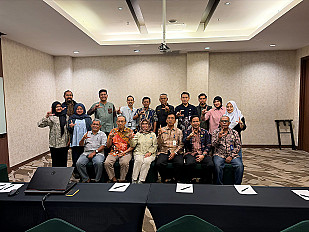
Jambi, March 12, 2026 – The Jambi Provincial Government, along with the BioCarbon Fund – Initiative for Sustainable Forest Landscapes (BioCF-ISFL) program implementation team, held a presentation and discussion on strengthening the implementation of the Jambi Emission Reduction Program (JERP). The event addressed various important aspects of program implementation, including program architecture, stakeholder engagement, safeguard system implementation, and gap analysis of the Feedback and Grievance Redress Mechanism (FGRM).
The JERP program is part of the implementation of a results-based climate financing scheme through the BioCF-ISFL, which aims to reduce greenhouse gas emissions from the forestry and land use sectors in Jambi Province. This program supports various activities such as forest protection, ecosystem restoration, peatland management, and the improvement of sustainable agricultural and plantation practices. This approach is expected to encourage more sustainable landscape management while contributing to the achievement of national emission reduction targets.
The Head of the Sub-National Project Management Unit (SN-PMU), Ir. H. Sepdinal, ME, explained that the implementation of the BioCF-ISFL program in Jambi Province is carried out in several stages. The initial stage, a preparation phase in 2019–2021, focused on developing REDD+ tools, strengthening institutions, and increasing human resource capacity. The next stage is pre-investment in 2021–2025 through the Jambi Sustainable Landscape Management Project (JSLMP), supported by a World Bank grant. The program then entered the Result-Based Payment (RBP) phase through the Jambi Emission Reduction Program, where Jambi Province targets measurable and verifiable emission reductions to obtain international funding incentives.
In its implementation, this program involves various institutions and stakeholders at the national, provincial, and grassroots levels. The central government plays a role in policy formulation and liaison with international funding schemes, while the provincial government acts as the coordinator of program implementation at the regional level. Regional agencies such as the Forestry Service, the Environmental Service, the Plantation Service, and the Food Crops, Horticulture, and Livestock Service carry out various technical activities related to forest management, forest and land fire control, and the implementation of sustainable land management practices. At the grassroots level, implementation involves forest management units, conservation areas, village communities, social forestry groups, as well as various civil society organizations and universities that act as supporting partners for the program.
Stakeholder engagement is a crucial element in the implementation of the JERP program. A participatory approach is employed to ensure that various affected parties are actively involved in the planning, implementation, and monitoring of the program. This involvement is expected to improve the quality of decision-making, minimize potential conflicts, and strengthen community ownership of the program. Community participation is also a crucial factor in ensuring the sustainability of emissions reduction activities at the grassroots level.
Furthermore, program implementation prioritizes the implementation of a social and environmental safeguard system as a safeguard framework to minimize the potential negative impacts of program activities. This framework is based on international principles known as the Seven Cancun Principles, which emphasize the importance of transparent governance, protection of the rights of indigenous peoples and local communities, stakeholder participation, and biodiversity conservation. Safeguards are also a crucial instrument in ensuring that emissions reduction activities align with the principles of sustainable development and maintain a balance between environmental, social, and governance aspects.
The event also presented the results of a gap analysis of the complaint and feedback mechanism (FGRM) within the program document. This analysis was conducted to assess the completeness and effectiveness of the complaints system that will be used to support the implementation of the JERP program. The study results indicate that the FGRM document contains basic concepts for complaints management, but still requires strengthening in several important aspects, such as the institutional structure, operational flow for handling complaints, standard timeframes for case resolution, and the monitoring and evaluation system.
The analysis also provided several recommendations, including the addition of principles of transparency, accountability, accessibility, and protection for whistleblowers. Furthermore, it is necessary to strengthen integration with the national complaints system, develop more systematic case handling procedures, and develop a community-based conflict resolution approach through multi-stakeholder mediation and local-level deliberation. By strengthening these mechanisms, it is hoped that the complaints system will function effectively as a means of conveying aspirations and resolving issues that may arise during program implementation.
Through synergy between the government, communities, the private sector, and various development partners, the implementation of the BioCF-ISFL and JERP programs in Jambi Province is expected to run optimally. This program not only contributes to efforts to reduce greenhouse gas emissions but also supports more sustainable natural resource management and improves the welfare of communities living around forest areas.
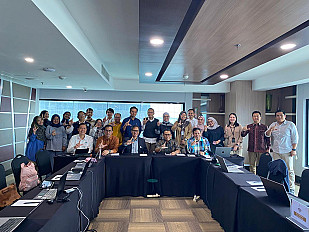
Jakarta, February 24, 2026 – The Directorate of Resource Mobilization for Climate Change Control at the Ministry of Environment and Forestry (MSDPPI KLH), in collaboration with the Benefit Sharing Mechanism (BSM) Division of the National Forestry and Fisheries Agency (SNPMU), held a meeting to harmonize and synchronize the Standard Operating Procedure (SOP) and Technical Instructions for the BioCF-ISFL Program Benefit Sharing Mechanism.
The meeting, held in Jakarta, was chaired by the Director of MSDPPI and featured a presentation from the Head of the BSM Division of the National Forestry and Fisheries Agency (SNPMU), Hendra Admaja. The main agenda of the meeting included updates on the development of the Standard Operating Procedure (SOP) documents prepared by MSDPPI, the development of the Operational Guidelines (Juklak)/Technical Guidelines (Juknis) prepared by Jambi Province, and the determination of the final strategy for the Benefit Sharing Plan (BSP), SOP, and Operational Guidelines (Juklak) documents for 2026.
Current Status of the BSP Document
During his presentation, he stated that the BSP draft 4.0 document had been approved as an advanced draft by the World Bank on August 26, 2024. Furthermore, the BSP draft 5.0 (Final Draft) was submitted to the World Bank on October 21, 2025, and was followed up on December 8, 2025. To date, this document is still awaiting further action from the World Bank.
Several tasks remain to be completed, including a review of the Final Draft BSP, the identification of beneficiaries for each benefit allocation (MAR), and a reaffirmation of the socio-economic allocation agreement, which was noted by the safeguards team.
2026 BSM Sector Work Plan
The BSM SNPMU Sector outlined several strategic plans for 2026 to support the refinement of the BSP and the implementation of the benefit sharing mechanism, including:
Preparation of a Draft Governor's Regulation on the Benefit Sharing Mechanism for the BioCF-ISFL RBP Fund, which is currently available in Draft 2 and planned for submission to the Jambi Provincial Legal Bureau.
Improvement of the Technical Instructions for the Benefit Sharing Mechanism, as operational guidelines to ensure the distribution of Results-Based Payment (RBP) benefits is structured, transparent, and accountable.
Preparation of an Analysis Document on the Implementation of BioCF-ISFL Fund Allocations for the GESI Program at the Village Level, which aims to analyze the effectiveness of fund implementation in supporting gender equality and social inclusion.
This activity is planned to last two months (March–April 2026).
In addition, the BSM Division will also conduct outreach on the operational guidelines (Juklak/Juknis) in the ten regencies/cities receiving RBP funds and conduct capacity building for prospective beneficiaries from government agencies, FMUs, national parks, NGOs, and universities.
Benefit Sharing Mechanism and Principles
The Benefit Sharing Mechanism (Juklak/Juknis) is designed to ensure that the entire allocation, distribution, and utilization of RBP funds for the Jambi Emission Reduction Program (JERP) is carried out accountably and in accordance with environmental and social safeguards.
Beneficiaries include the central government, provincial and district/city governments, villages and community groups, the private sector, universities, and NGOs.
For villages, 40% of the performance-based benefit allocation is used for activities directly related to emission reduction and 60% for socio-economic activities. A minimum of 10% of the total benefits must be allocated to the Gender Equality and Social Inclusion (GESI) program.
A similar scheme also applies to Forest Management Units (FMUs), national parks, social forestry, and the private sector, with the provision that funds be used to support emission reduction, governance strengthening, and socio-economic development of forest communities.
Commitment to Accelerated Finalization
Through this harmonization meeting, the Ministry of Environment's (KLH) MSDPPI and the SNPMU BSM Division affirmed their commitment to expediting the finalization of the BSP document and its supporting instruments. Synchronization between national-level SOPs and provincial-level operational guidelines (Juklak/Juknis) is a crucial step to ensure readiness for implementation of the 2026 BioCF-ISFL RBP Fund disbursement.
By strengthening regional regulations, refining technical guidelines, and increasing stakeholder capacity, it is hoped that the benefit-sharing mechanism will be effective, transparent, and have a tangible impact on emission reduction and improving community welfare in Jambi Province.
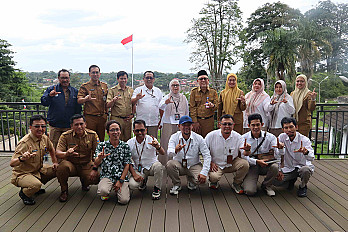
Jambi — The South Kalimantan Provincial Government conducted a working visit and provided technical assistance to Jambi Province to directly study the implementation practices of forestry and land use-based emission reduction programs through the BioCF-ISFL and REDD+ schemes. This activity is part of South Kalimantan's efforts to strengthen regional preparedness, particularly in terms of social and environmental protection (safeguards), benefit-sharing mechanisms, and emissions measurement, assessment, and reporting systems.
During the visit, the South Kalimantan Provincial Government team received a comprehensive presentation on the governance of the BioCF-ISFL Program in Jambi Province, including institutional aspects, safeguard implementation, community complaint mechanisms, the Free, Prior, and Informed Consent (FPIC) process, the Benefit Sharing Mechanism (BSM), and the existing Measurement, Assessment, and Reporting (MAR) system.
The presentation on the Monitoring and Evaluation (Monev) system demonstrated that Jambi Province has developed a structured results framework, with Project Development Objective (PDO) indicators and Intermediate Result Indicators (IRI). This framework is used to monitor the achievements of emission reduction programs, including sustainable land management, greenhouse gas emission reduction, forestry and land use policy reform, safeguard system strengthening, tenurial conflict resolution, and the operationalization of the MRV/MAR system at the provincial level.
From an implementation perspective, Jambi also outlined practices for collecting, verifying, and validating program performance data, integrated with the Annual Work Plan and supported by evidence documents on activities, policies, partnerships, and forest unit management plans. This system serves as the basis for performance reporting to stakeholders, including the central government and funding partners.
In addition to institutional and system aspects, the South Kalimantan team also studied the implementation of BioCF activities at the grassroots level, particularly in the agricultural sector through the Jambi Province Food Crops, Horticulture, and Livestock Service. Activities implemented during the 2022–2026 period include increasing farmer capacity through various technical guidance, developing environmentally friendly agricultural models, post-harvest management, facilitating market partnerships, and procuring supporting facilities and infrastructure.
These programs are aimed at increasing smallholder agricultural productivity while supporting sustainable land management practices that contribute to emissions reductions. Activities also include strengthening farmer capacity in the processing of organic fertilizers, botanical pesticides, and animal feed, as well as efforts to prevent and manage farmland fires. Implementation of activities will be carried out in stages in various BioCF intervention districts in Jambi Province.
From the perspective of the South Kalimantan Provincial Government, this visit provided a concrete illustration of the implementation of a jurisdiction-based, integrated, cross-regional emission reduction program. The institutional model implemented in Jambi involves the provincial SNPMU structure with support from the Safeguards, MAR, BSM, and Monitoring and Evaluation divisions, which are deemed relevant for replication in the regional context.
The South Kalimantan team also assessed Jambi's practice in developing and operating a safeguards framework as a key learning experience. This system ensures that every emission reduction activity takes into account social and environmental protection, stakeholder participation, respect for the rights of indigenous and local communities, and biodiversity conservation. Instruments such as the SESA, ESMF, FPIC, and a public complaint mechanism have been implemented as part of the program's standard operating procedures.
This working visit also served as a forum for exchanging experiences between regions in facing the transition from the preparatory phase to the results-based payment (RBP) phase, including strategies for strengthening human resource capacity, data and technical equipment needs, and opportunities for future access to climate finance.
Through this mentoring and knowledge exchange, the South Kalimantan Provincial Government affirmed its commitment to accelerating the system and institutional readiness of regional emission reduction programs, while simultaneously promoting sustainable forestry and land use governance.
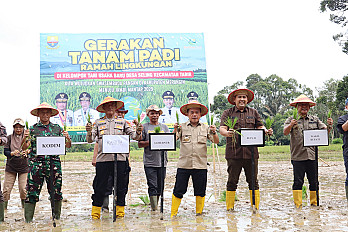
Merangin, February 6, 2026 — The Jambi Provincial Government held the First Planting Movement, Baumo Prayer, and Environmentally Friendly Rice Planting as part of the BioCF–ISFL Program in the rice fields of the Usaha Baru Farmers Group in Seling Village, Tabir District, Merangin Regency, on Friday (February 6). This activity marked the start of the planting season and reinforced the commitment to sustainable and low-emission agriculture in Jambi Province.
The event was attended by Jambi Governor Dr. H. Al Haris, members of the Provincial and Regency Leadership Communication Forums (Forkopimda), representatives from ministries, regional officials, agricultural extension workers, and farmers. In his remarks, the Governor emphasized that Jambi is one of the implementing provinces for the BioCF–ISFL program, which aims to support low-emission development through strengthened governance and sustainable practices in the forestry, agriculture, and land use sectors.
According to the Governor, the implementation of the BioCF–ISFL in Jambi is currently in the pre-investment phase, focusing on institutional strengthening, capacity building for local governments and communities, policy alignment, and strengthening monitoring and evaluation systems. He also emphasized the importance of environmentally friendly agriculture as the future of the agricultural sector because it can reduce production costs, reduce dependence on chemicals, and maintain soil fertility.
The Baumo Prayer (Doa Turun Baumo), part of a series of events, was also promoted as a manifestation of local community wisdom in welcoming the planting season, reflecting the balance between effort, prayer, and harmony with nature. The government hopes this cultural approach will strengthen farmers' enthusiasm and participation in implementing sustainable cultivation practices.
According to a committee report from the Jambi Province Food Crops, Horticulture, and Livestock Service, this inaugural planting movement included rice seed assistance for 30 hectares of land for the New Enterprise Farmers Group in Seling Village. The BioCF–ISFL program itself has been running since 2022, and 2026 will be the final stage of the pre-investment phase before entering the performance-based payment phase. This program aims to encourage sustainable land management, reduce greenhouse gas emissions, mitigate deforestation, and improve farmers' livelihoods.
The Governor also highlighted the potential of the approximately 171 hectares of rice fields in Seling Village, which are considered strategic for development as a regional food barn. Merangin Regency itself is included in the food self-sufficiency area, in line with the regional development direction of Jambi Province. He added that the increase in the Jambi Farmer Exchange Rate in January 2026 to 173.36 indicates a trend of improving farmer welfare and provides a source of optimism for this year's planting season.
The Jambi Provincial Government hopes that this first planting movement will not remain merely a ceremonial activity, but rather the starting point for a productive, environmentally friendly planting season that will have a direct impact on improving farmer welfare and regional food security.