News
376
BioCF-ISFL Program Opens Opportunities for Broad Benefits for Villages in Jambi

Portal BIOCF
Wednesday, 17 December 2025 Post 12:12 AM
Jambi – The BioCarbon Fund–Initiative for Sustainable Forest Landscapes (BioCF-ISFL) program in Jambi Province continues to show significant progress as an effort to reduce emissions from the forestry and land use sectors. This World Bank-supported program implements a Results-Based Payment (RBP) scheme, where payments are only made based on verified, tangible emissions reductions.
In a presentation by Rahmad Mulyadi, he explained that the BioCF-ISFL program is implemented through three main stages: preparation, pre-investment, and performance-based payments. During the preparation phase, which took place from 2019–2021, the Jambi Provincial Government, together with the Ministry of Environment and Forestry (KLHK), prepared various important documents, such as the Emission Reduction Program Document (ERPD) and safeguard documents, as well as established institutions and designated four Forest Management Units (KPH) as intervention areas.
Entering the pre-investment phase from 2021–2025, Jambi received a grant from the World Bank of approximately USD 13.5 million. These funds will be used to support activities at the Forest Management Unit (KPH) and regional government organization (OPD) levels, with a focus on creating supportive conditions for emission reduction. Performance payments have not yet been made at this stage, as field preparation is still underway.
Meanwhile, in the RBP phase, covering the 2020–2026 period, Jambi Province is targeted to reduce emissions by 10 million tons of CO₂e, with a payment rate of USD 7 per ton. However, to date, this payment has not been realized because the Emission Reduction Payment Agreement (ERPA) is still in the signing process.
In terms of implementation, socialization and the Free, Prior, and Informed Consent (FPIC) process, or Padiatapa, have been conducted in 230 villages. All villages have agreed to participate in the program without coercion. The RBP prerequisite documents were also declared final in early 2025.
Dio Mulyanda explained that the calculation of emission reductions is carried out through the Measurement, Reporting, and Verification (MRV) or Measurement, Analysis, and Reporting (MAR) system, by comparing actual emissions against historical baseline emissions. The results of this calculation form the basis for claiming RBP payments. Entities eligible to receive benefits include villages, FMUs, national parks, permit holders, social forestry, and local governments mandated to manage the area.
Regarding benefit sharing, Hendra Admaja stated that the mechanism is regulated in the Benefit Sharing Mechanism (BSM) document and refers to national regulations. The largest allocation of benefits is based on emissions reduction performance, but villages that do not fall into the performance category still have the opportunity to receive support through socio-economic allocations.
Social and environmental protection aspects are also a primary concern. Taufik explained that REDD+ safeguards are implemented to minimize social and environmental risks, such as land conflicts, health risks, and gender equality issues. Safeguards include environmental document screening, complaint management through the Feedback and Grievance Redress Mechanism (FGRM), and regular monitoring and evaluation.
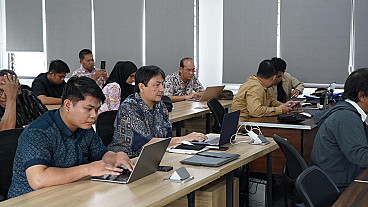
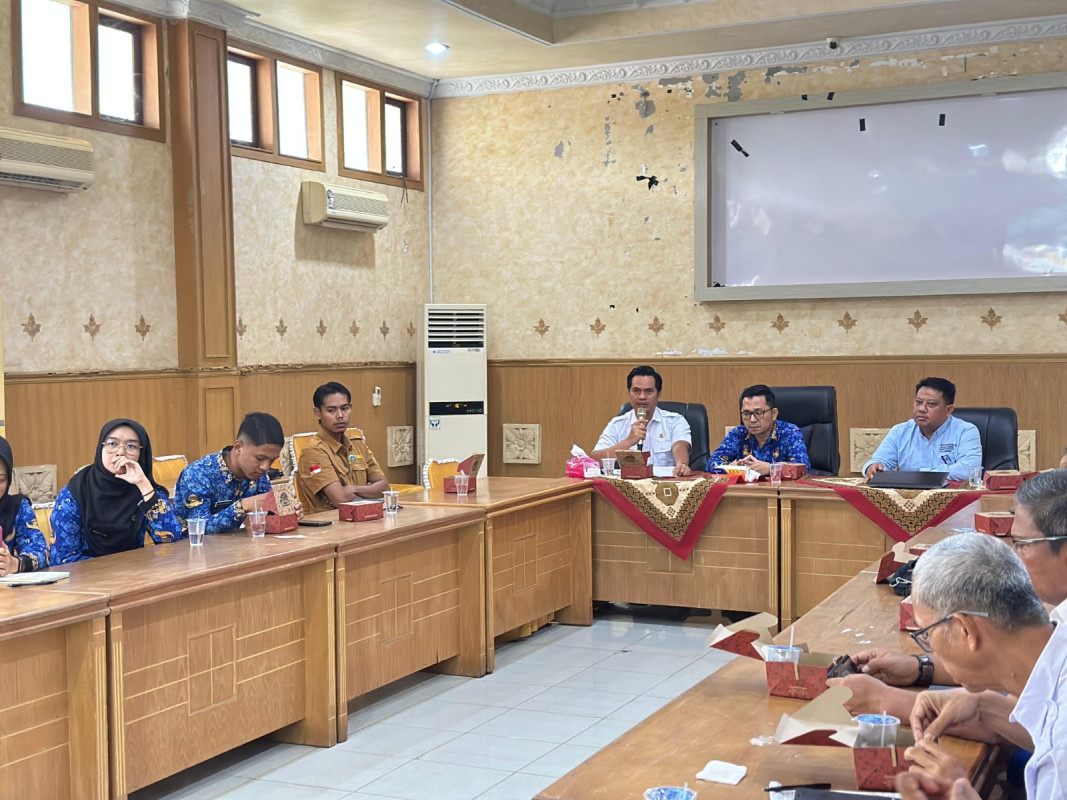
During the discussion, representatives from the Community and Village Empowerment Agency (PMD) inquired about the possibility of adding more beneficiary villages. The resource person emphasized that additional villages are possible as long as they are within the intervention area and meet the program criteria. Monitoring, evaluation, and auditing issues were also highlighted, with the emphasis being placed on multi-layered oversight, including audits through an intermediary institution (Lemtara) scheme, which adheres to international climate finance practices.
In conclusion, the BioCF-ISFL Program is considered to offer broad benefits to villages and regional stakeholders in Jambi. The program's success depends heavily on the signing of the ERPA, strengthening institutional capacity through technical guidance, and the active role of the Regency/City Working Groups (Pokja) coordinated by the Environmental Agency in ensuring effective, transparent, and accountable program implementation.
In a presentation by Rahmad Mulyadi, he explained that the BioCF-ISFL program is implemented through three main stages: preparation, pre-investment, and performance-based payments. During the preparation phase, which took place from 2019–2021, the Jambi Provincial Government, together with the Ministry of Environment and Forestry (KLHK), prepared various important documents, such as the Emission Reduction Program Document (ERPD) and safeguard documents, as well as established institutions and designated four Forest Management Units (KPH) as intervention areas.
Entering the pre-investment phase from 2021–2025, Jambi received a grant from the World Bank of approximately USD 13.5 million. These funds will be used to support activities at the Forest Management Unit (KPH) and regional government organization (OPD) levels, with a focus on creating supportive conditions for emission reduction. Performance payments have not yet been made at this stage, as field preparation is still underway.
Meanwhile, in the RBP phase, covering the 2020–2026 period, Jambi Province is targeted to reduce emissions by 10 million tons of CO₂e, with a payment rate of USD 7 per ton. However, to date, this payment has not been realized because the Emission Reduction Payment Agreement (ERPA) is still in the signing process.
In terms of implementation, socialization and the Free, Prior, and Informed Consent (FPIC) process, or Padiatapa, have been conducted in 230 villages. All villages have agreed to participate in the program without coercion. The RBP prerequisite documents were also declared final in early 2025.
Dio Mulyanda explained that the calculation of emission reductions is carried out through the Measurement, Reporting, and Verification (MRV) or Measurement, Analysis, and Reporting (MAR) system, by comparing actual emissions against historical baseline emissions. The results of this calculation form the basis for claiming RBP payments. Entities eligible to receive benefits include villages, FMUs, national parks, permit holders, social forestry, and local governments mandated to manage the area.
Regarding benefit sharing, Hendra Admaja stated that the mechanism is regulated in the Benefit Sharing Mechanism (BSM) document and refers to national regulations. The largest allocation of benefits is based on emissions reduction performance, but villages that do not fall into the performance category still have the opportunity to receive support through socio-economic allocations.
Social and environmental protection aspects are also a primary concern. Taufik explained that REDD+ safeguards are implemented to minimize social and environmental risks, such as land conflicts, health risks, and gender equality issues. Safeguards include environmental document screening, complaint management through the Feedback and Grievance Redress Mechanism (FGRM), and regular monitoring and evaluation.
During the discussion, representatives from the Community and Village Empowerment Agency (PMD) inquired about the possibility of adding more beneficiary villages. The resource person emphasized that additional villages are possible as long as they are within the intervention area and meet the program criteria. Monitoring, evaluation, and auditing issues were also highlighted, with the emphasis being placed on multi-layered oversight, including audits through an intermediary institution (Lemtara) scheme, which adheres to international climate finance practices.
In conclusion, the BioCF-ISFL Program is considered to offer broad benefits to villages and regional stakeholders in Jambi. The program's success depends heavily on the signing of the ERPA, strengthening institutional capacity through technical guidance, and the active role of the Regency/City Working Groups (Pokja) coordinated by the Environmental Agency in ensuring effective, transparent, and accountable program implementation.
Latest News
-thumb.jpg)