News
320
Jambi's BioCF-ISFL Program Enters Performance-Based Payment Phase, with Forest Management Units (FMUs) Spearheading the Batanghari Program

Portal BIOCF
Monday, 15 December 2025 Post 12:12 AM
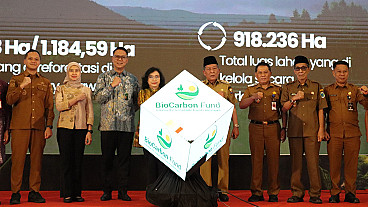
Batanghari – The BioCarbon Fund–Initiative for Sustainable Forest Landscapes (BioCF-ISFL) program in Jambi Province has continued to show significant progress since its inception in 2019. The program is designed in three phases: preparation (2019–2021), pre-investment (2021–2025), and performance-based payments (RBP) in 2020–2026.
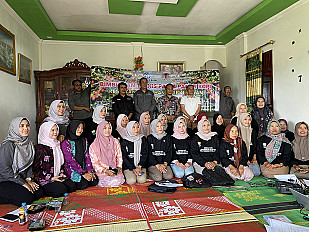
In discussions involving various stakeholders, it was reported that the Free, Prior, and Informed Consent (FPIC) process, or FPIC, has been conducted in 230 villages/sub-districts located in and around forest areas across all regencies/cities in Jambi Province. All villages have expressed their willingness to participate in the BioCF-ISFL program without coercion and have signed a Minutes of Agreement.
In addition, important prerequisite documents such as the Emission Reduction Program Document (ERPD), Benefit Sharing Mechanism (BSM), Safeguards, and Environmental and Social Due Diligence (ESDD) have been prepared and finalized as the basis for the Emission Reduction Payment Agreement (ERPA). However, the ERPA is still awaiting signature.
It was agreed that the performance payment rate would be set at US$7 per ton of CO₂e, with an emissions reduction target of 10 million tons of CO₂e. The RBP fund is projected to reach approximately US$70 million and will be disbursed during the 2025–2026 period through the Environmental Fund Management Agency (BPDLH).
Under the RBP mechanism, emission reduction performance is measured through the Measurement, Reporting, and Verification (MRV) system (known as MAR in Jambi), which compares actual emissions from 2020–2022 with baseline emissions based on historical data from 2006–2018. Emission reduction is declared achieved if actual emissions are lower than the baseline.
Regarding benefit distribution, there are five beneficiary groups: the government, the private sector, communities/villages, non-governmental organizations (NGOs), and universities. The largest allocation is given to communities and villages, including Social Forestry groups, Forest Management Units (KPH), conservation units, and businesses that contribute directly to emission reduction. The form of benefits consists of monetary (cash) and non-monetary (in-kind) benefits, with a composition of 40 percent allocated for emission reduction activities and 60 percent for socio-economic programs.
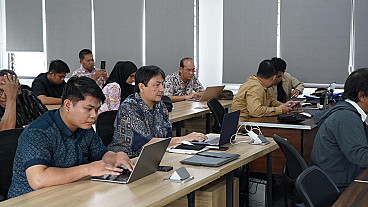
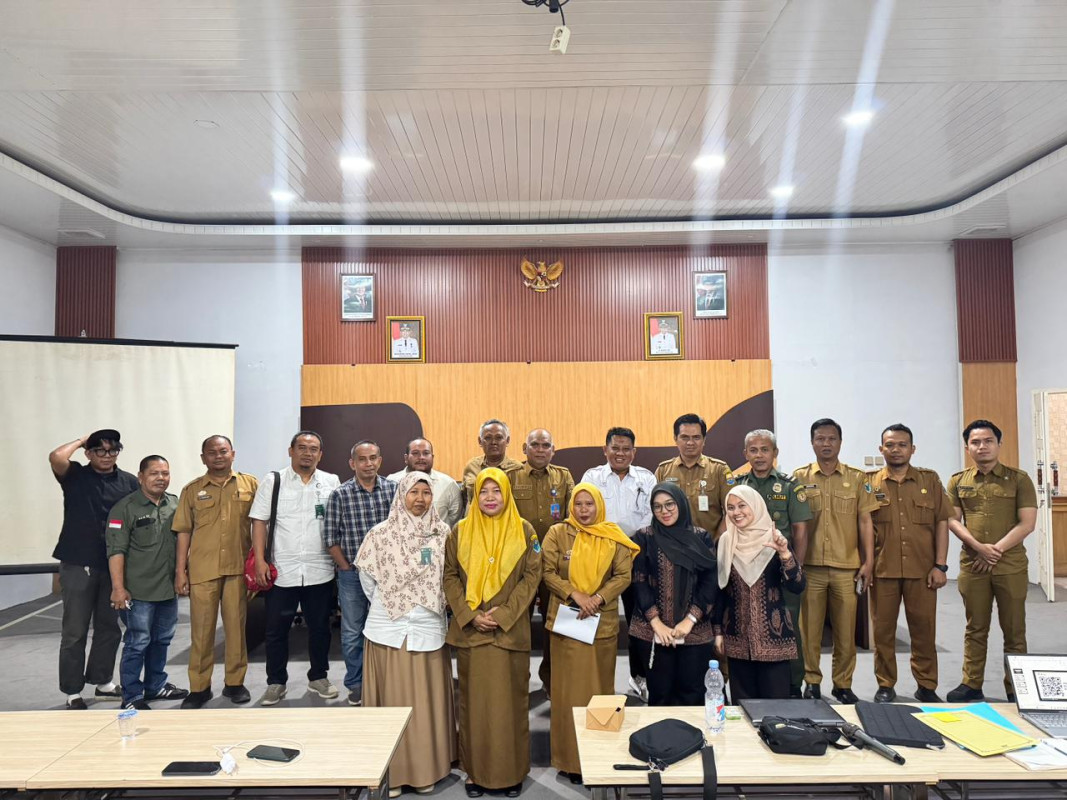
In Batanghari Regency, the Forest Management Unit (FMU) plays a strategic role as the spearhead of forestry implementation. The FMU is tasked with cross-sector coordination, preparing and recommending proposals, and preparing environmental documents in accordance with safeguard provisions. The FMU is also part of the working group (Pokja) and is one of the program's beneficiaries.
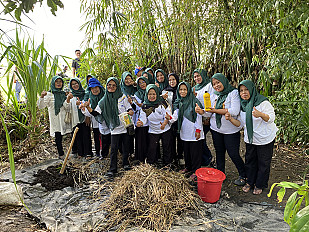
This program involves nine villages across three sub-districts: Mersam, Muaro Sebo Ulu, and Muaro Bulian. Villages with and without forest areas are encouraged to participate in inclusive forest management.
The Batanghari Regency Government has demonstrated its strong commitment by integrating the BioCF-ISFL program into the Regional Medium-Term Development Plan (RPJMD) as part of its greenhouse gas emission reduction strategy. With the readiness of the province and district, the BioCF-ISFL program is expected to provide environmental benefits while improving community welfare in a sustainable manner.
In discussions involving various stakeholders, it was reported that the Free, Prior, and Informed Consent (FPIC) process, or FPIC, has been conducted in 230 villages/sub-districts located in and around forest areas across all regencies/cities in Jambi Province. All villages have expressed their willingness to participate in the BioCF-ISFL program without coercion and have signed a Minutes of Agreement.
In addition, important prerequisite documents such as the Emission Reduction Program Document (ERPD), Benefit Sharing Mechanism (BSM), Safeguards, and Environmental and Social Due Diligence (ESDD) have been prepared and finalized as the basis for the Emission Reduction Payment Agreement (ERPA). However, the ERPA is still awaiting signature.
It was agreed that the performance payment rate would be set at US$7 per ton of CO₂e, with an emissions reduction target of 10 million tons of CO₂e. The RBP fund is projected to reach approximately US$70 million and will be disbursed during the 2025–2026 period through the Environmental Fund Management Agency (BPDLH).
Under the RBP mechanism, emission reduction performance is measured through the Measurement, Reporting, and Verification (MRV) system (known as MAR in Jambi), which compares actual emissions from 2020–2022 with baseline emissions based on historical data from 2006–2018. Emission reduction is declared achieved if actual emissions are lower than the baseline.
Regarding benefit distribution, there are five beneficiary groups: the government, the private sector, communities/villages, non-governmental organizations (NGOs), and universities. The largest allocation is given to communities and villages, including Social Forestry groups, Forest Management Units (KPH), conservation units, and businesses that contribute directly to emission reduction. The form of benefits consists of monetary (cash) and non-monetary (in-kind) benefits, with a composition of 40 percent allocated for emission reduction activities and 60 percent for socio-economic programs.
In Batanghari Regency, the Forest Management Unit (FMU) plays a strategic role as the spearhead of forestry implementation. The FMU is tasked with cross-sector coordination, preparing and recommending proposals, and preparing environmental documents in accordance with safeguard provisions. The FMU is also part of the working group (Pokja) and is one of the program's beneficiaries.
This program involves nine villages across three sub-districts: Mersam, Muaro Sebo Ulu, and Muaro Bulian. Villages with and without forest areas are encouraged to participate in inclusive forest management.
The Batanghari Regency Government has demonstrated its strong commitment by integrating the BioCF-ISFL program into the Regional Medium-Term Development Plan (RPJMD) as part of its greenhouse gas emission reduction strategy. With the readiness of the province and district, the BioCF-ISFL program is expected to provide environmental benefits while improving community welfare in a sustainable manner.
Latest News
-thumb.jpg)