News
469
Strengthening the Implementation of the BioCF-ISFL Program in Jambi: Discussion of Program Architecture, Safeguards, and Complaint Mechanisms.

Portal BIOCF
Thursday, 12 March 2026 Post 12:03 AM
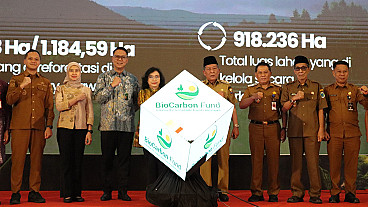
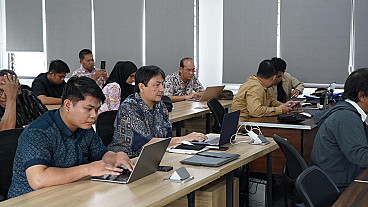
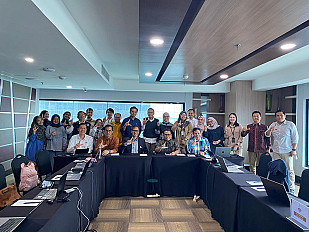
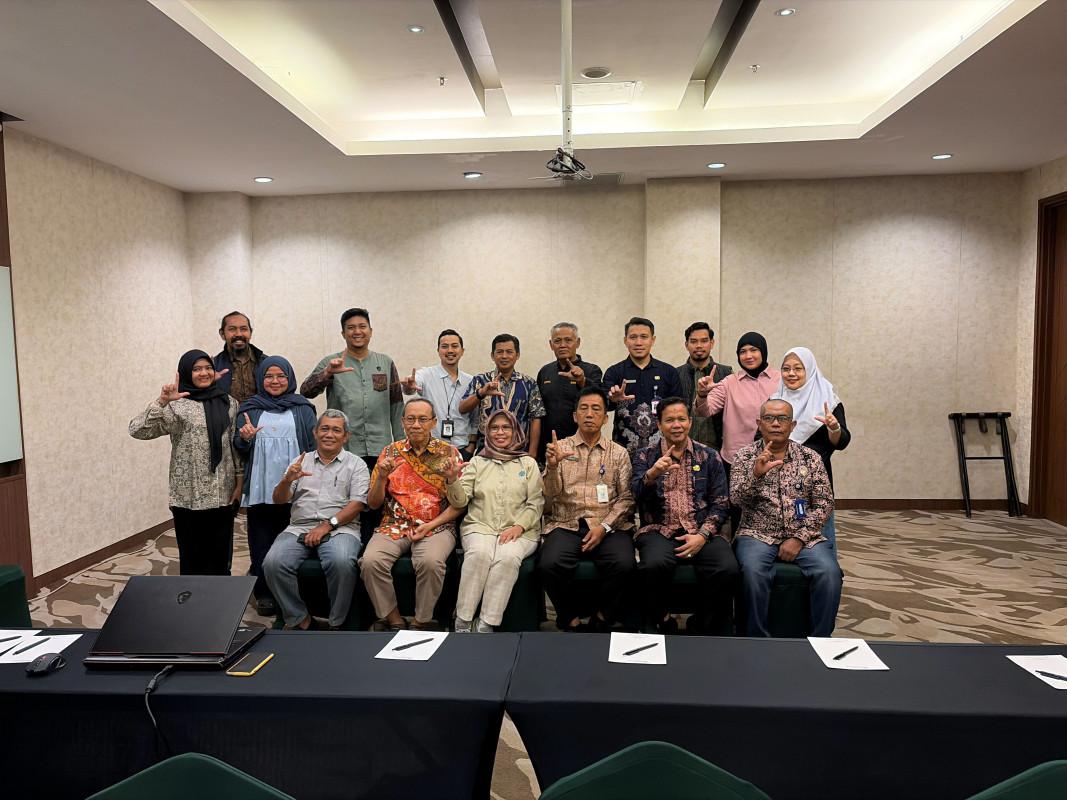
Jambi, March 12, 2026 – The Jambi Provincial Government, along with the BioCarbon Fund – Initiative for Sustainable Forest Landscapes (BioCF-ISFL) program implementation team, held a presentation and discussion on strengthening the implementation of the Jambi Emission Reduction Program (JERP). The event addressed various important aspects of program implementation, including program architecture, stakeholder engagement, safeguard system implementation, and gap analysis of the Feedback and Grievance Redress Mechanism (FGRM).
The JERP program is part of the implementation of a results-based climate financing scheme through the BioCF-ISFL, which aims to reduce greenhouse gas emissions from the forestry and land use sectors in Jambi Province. This program supports various activities such as forest protection, ecosystem restoration, peatland management, and the improvement of sustainable agricultural and plantation practices. This approach is expected to encourage more sustainable landscape management while contributing to the achievement of national emission reduction targets.
The Head of the Sub-National Project Management Unit (SN-PMU), Ir. H. Sepdinal, ME, explained that the implementation of the BioCF-ISFL program in Jambi Province is carried out in several stages. The initial stage, a preparation phase in 2019–2021, focused on developing REDD+ tools, strengthening institutions, and increasing human resource capacity. The next stage is pre-investment in 2021–2025 through the Jambi Sustainable Landscape Management Project (JSLMP), supported by a World Bank grant. The program then entered the Result-Based Payment (RBP) phase through the Jambi Emission Reduction Program, where Jambi Province targets measurable and verifiable emission reductions to obtain international funding incentives.
In its implementation, this program involves various institutions and stakeholders at the national, provincial, and grassroots levels. The central government plays a role in policy formulation and liaison with international funding schemes, while the provincial government acts as the coordinator of program implementation at the regional level. Regional agencies such as the Forestry Service, the Environmental Service, the Plantation Service, and the Food Crops, Horticulture, and Livestock Service carry out various technical activities related to forest management, forest and land fire control, and the implementation of sustainable land management practices. At the grassroots level, implementation involves forest management units, conservation areas, village communities, social forestry groups, as well as various civil society organizations and universities that act as supporting partners for the program.
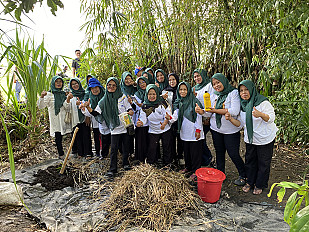
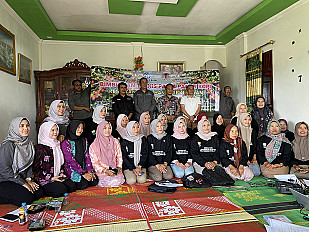
Stakeholder engagement is a crucial element in the implementation of the JERP program. A participatory approach is employed to ensure that various affected parties are actively involved in the planning, implementation, and monitoring of the program. This involvement is expected to improve the quality of decision-making, minimize potential conflicts, and strengthen community ownership of the program. Community participation is also a crucial factor in ensuring the sustainability of emissions reduction activities at the grassroots level.
Furthermore, program implementation prioritizes the implementation of a social and environmental safeguard system as a safeguard framework to minimize the potential negative impacts of program activities. This framework is based on international principles known as the Seven Cancun Principles, which emphasize the importance of transparent governance, protection of the rights of indigenous peoples and local communities, stakeholder participation, and biodiversity conservation. Safeguards are also a crucial instrument in ensuring that emissions reduction activities align with the principles of sustainable development and maintain a balance between environmental, social, and governance aspects.
The event also presented the results of a gap analysis of the complaint and feedback mechanism (FGRM) within the program document. This analysis was conducted to assess the completeness and effectiveness of the complaints system that will be used to support the implementation of the JERP program. The study results indicate that the FGRM document contains basic concepts for complaints management, but still requires strengthening in several important aspects, such as the institutional structure, operational flow for handling complaints, standard timeframes for case resolution, and the monitoring and evaluation system.
The analysis also provided several recommendations, including the addition of principles of transparency, accountability, accessibility, and protection for whistleblowers. Furthermore, it is necessary to strengthen integration with the national complaints system, develop more systematic case handling procedures, and develop a community-based conflict resolution approach through multi-stakeholder mediation and local-level deliberation. By strengthening these mechanisms, it is hoped that the complaints system will function effectively as a means of conveying aspirations and resolving issues that may arise during program implementation.
Through synergy between the government, communities, the private sector, and various development partners, the implementation of the BioCF-ISFL and JERP programs in Jambi Province is expected to run optimally. This program not only contributes to efforts to reduce greenhouse gas emissions but also supports more sustainable natural resource management and improves the welfare of communities living around forest areas.
The JERP program is part of the implementation of a results-based climate financing scheme through the BioCF-ISFL, which aims to reduce greenhouse gas emissions from the forestry and land use sectors in Jambi Province. This program supports various activities such as forest protection, ecosystem restoration, peatland management, and the improvement of sustainable agricultural and plantation practices. This approach is expected to encourage more sustainable landscape management while contributing to the achievement of national emission reduction targets.
The Head of the Sub-National Project Management Unit (SN-PMU), Ir. H. Sepdinal, ME, explained that the implementation of the BioCF-ISFL program in Jambi Province is carried out in several stages. The initial stage, a preparation phase in 2019–2021, focused on developing REDD+ tools, strengthening institutions, and increasing human resource capacity. The next stage is pre-investment in 2021–2025 through the Jambi Sustainable Landscape Management Project (JSLMP), supported by a World Bank grant. The program then entered the Result-Based Payment (RBP) phase through the Jambi Emission Reduction Program, where Jambi Province targets measurable and verifiable emission reductions to obtain international funding incentives.
In its implementation, this program involves various institutions and stakeholders at the national, provincial, and grassroots levels. The central government plays a role in policy formulation and liaison with international funding schemes, while the provincial government acts as the coordinator of program implementation at the regional level. Regional agencies such as the Forestry Service, the Environmental Service, the Plantation Service, and the Food Crops, Horticulture, and Livestock Service carry out various technical activities related to forest management, forest and land fire control, and the implementation of sustainable land management practices. At the grassroots level, implementation involves forest management units, conservation areas, village communities, social forestry groups, as well as various civil society organizations and universities that act as supporting partners for the program.
Stakeholder engagement is a crucial element in the implementation of the JERP program. A participatory approach is employed to ensure that various affected parties are actively involved in the planning, implementation, and monitoring of the program. This involvement is expected to improve the quality of decision-making, minimize potential conflicts, and strengthen community ownership of the program. Community participation is also a crucial factor in ensuring the sustainability of emissions reduction activities at the grassroots level.
Furthermore, program implementation prioritizes the implementation of a social and environmental safeguard system as a safeguard framework to minimize the potential negative impacts of program activities. This framework is based on international principles known as the Seven Cancun Principles, which emphasize the importance of transparent governance, protection of the rights of indigenous peoples and local communities, stakeholder participation, and biodiversity conservation. Safeguards are also a crucial instrument in ensuring that emissions reduction activities align with the principles of sustainable development and maintain a balance between environmental, social, and governance aspects.
The event also presented the results of a gap analysis of the complaint and feedback mechanism (FGRM) within the program document. This analysis was conducted to assess the completeness and effectiveness of the complaints system that will be used to support the implementation of the JERP program. The study results indicate that the FGRM document contains basic concepts for complaints management, but still requires strengthening in several important aspects, such as the institutional structure, operational flow for handling complaints, standard timeframes for case resolution, and the monitoring and evaluation system.
The analysis also provided several recommendations, including the addition of principles of transparency, accountability, accessibility, and protection for whistleblowers. Furthermore, it is necessary to strengthen integration with the national complaints system, develop more systematic case handling procedures, and develop a community-based conflict resolution approach through multi-stakeholder mediation and local-level deliberation. By strengthening these mechanisms, it is hoped that the complaints system will function effectively as a means of conveying aspirations and resolving issues that may arise during program implementation.
Through synergy between the government, communities, the private sector, and various development partners, the implementation of the BioCF-ISFL and JERP programs in Jambi Province is expected to run optimally. This program not only contributes to efforts to reduce greenhouse gas emissions but also supports more sustainable natural resource management and improves the welfare of communities living around forest areas.
Latest News
-thumb.jpg)