News
56
Monitoring and Oversight of Preparation for the Implementation of the 2025 BioCF ISFL Program, KPH Bungo Strengthens Forest Sustainability and the Community Economy

Portal BIOCF
Wednesday, 19 March 2025 Post 12:03 AM
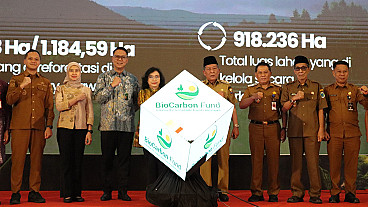
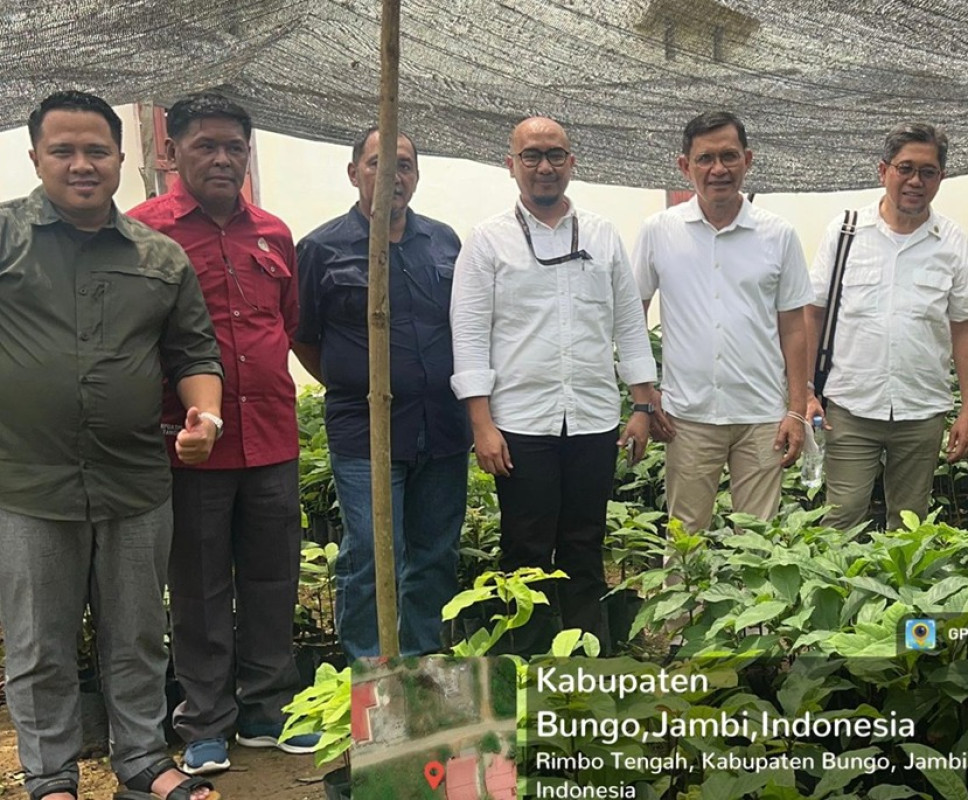
Bungo – The Bungo Forest Management Unit (UPTD) of the Bungo Forest Management Unit (KPHP) conducted monitoring and oversight activities for the 2025 BioCF ISFL Program as part of efforts to improve forest sustainability, reduce deforestation rates, and promote community welfare through sustainable forest management.
Various strategic activities were implemented throughout 2025, covering aspects of forest protection, conflict resolution, area rehabilitation, and strengthening community economies based on social forestry.
Regular Patrols and Community Patrols
To reduce deforestation and forest degradation, the Bungo Forest Management Unit (KPH) intensified routine patrols in several areas prone to encroachment and forest fires. These activities also involved local communities through community patrols.
As a result, there was a decrease in deforestation rates compared to the 2020–2023 period and a reduction in the number of hotspots and fires in the target areas. Furthermore, community participation in the community-based monitoring system increased.
Increasing Public Awareness
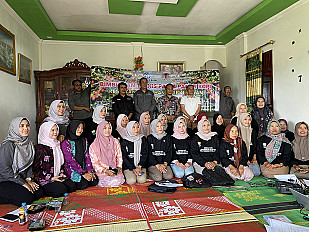
Forest fire prevention efforts were strengthened through outreach activities, conservation training, and campaigns in vulnerable areas. Community groups were also encouraged to actively monitor and report fires.
This program has resulted in a total of 487,903 hectares of sustainably managed natural forest. The number of hotspots has decreased significantly, accompanied by increased community awareness and involvement in forest protection.
Resolving Tenure Conflicts
To address land tenure conflicts in forest areas, the Bungo Forest Management Unit (KPH Bungo) applies a mediation and participatory mapping approach. Throughout 2025, two tenurial conflict cases were successfully resolved through conflict mapping, and two mediation sessions were conducted to mitigate land disputes.
This dialogue- and data-based approach is considered effective in creating solutions acceptable to all parties.
Area Rehabilitation and Agroforestry Development
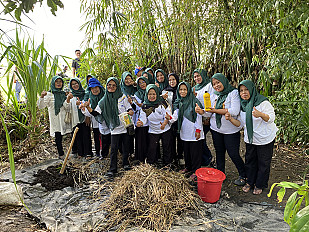
The rehabilitation program has demonstrated positive results. Twenty hectares of critical land have been reforested through planting and maintenance, while 742 hectares have experienced reduced levels of degradation.
Sixteen rehabilitation coaching and monitoring activities have been conducted to ensure the program's sustainability. A one-hectare agroforestry demonstration plot has also been established as a model for integrated community-based management.
Community Economic Development
To improve the welfare of residents living around the forest, the KPH Bungo is developing businesses based on non-timber forest products (NTFPs) through the formation and strengthening of Social Forestry Business Groups (KUPS).
Capacity-building training has been provided to assisted groups, and partnerships have been established between community groups and the private sector. Several groups have even reached supply contract agreements with business partners to expand market access.
Seedling Provision and Digital Market Access
To support agroforestry and rehabilitation activities, the Bungo Forest Management Unit (KPH Bungo) provided quality seedlings for 20 hectares of community land, which were distributed to forest farmer groups.
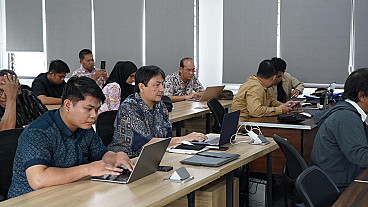
In addition, digital marketing training was provided to improve the competitiveness of social forestry products. This step is expected to open wider market opportunities and create new sources of income for the community.
Conclusion
Based on the evaluation results, the implementation of the 2025 BioCF ISFL Program in the Bungo Forest Management Unit (KPH Bungo) demonstrated significant achievements in reducing deforestation and fire hotspots, resolving land tenure conflicts, increasing forest cover, and strengthening the community economy.
Through synergy between the government, communities, and the private sector, this program is a concrete step towards realizing sustainable forest management in the Bungo region.
Various strategic activities were implemented throughout 2025, covering aspects of forest protection, conflict resolution, area rehabilitation, and strengthening community economies based on social forestry.
Regular Patrols and Community Patrols
To reduce deforestation and forest degradation, the Bungo Forest Management Unit (KPH) intensified routine patrols in several areas prone to encroachment and forest fires. These activities also involved local communities through community patrols.
As a result, there was a decrease in deforestation rates compared to the 2020–2023 period and a reduction in the number of hotspots and fires in the target areas. Furthermore, community participation in the community-based monitoring system increased.
Increasing Public Awareness
Forest fire prevention efforts were strengthened through outreach activities, conservation training, and campaigns in vulnerable areas. Community groups were also encouraged to actively monitor and report fires.
This program has resulted in a total of 487,903 hectares of sustainably managed natural forest. The number of hotspots has decreased significantly, accompanied by increased community awareness and involvement in forest protection.
Resolving Tenure Conflicts
To address land tenure conflicts in forest areas, the Bungo Forest Management Unit (KPH Bungo) applies a mediation and participatory mapping approach. Throughout 2025, two tenurial conflict cases were successfully resolved through conflict mapping, and two mediation sessions were conducted to mitigate land disputes.
This dialogue- and data-based approach is considered effective in creating solutions acceptable to all parties.
Area Rehabilitation and Agroforestry Development
The rehabilitation program has demonstrated positive results. Twenty hectares of critical land have been reforested through planting and maintenance, while 742 hectares have experienced reduced levels of degradation.
Sixteen rehabilitation coaching and monitoring activities have been conducted to ensure the program's sustainability. A one-hectare agroforestry demonstration plot has also been established as a model for integrated community-based management.
Community Economic Development
To improve the welfare of residents living around the forest, the KPH Bungo is developing businesses based on non-timber forest products (NTFPs) through the formation and strengthening of Social Forestry Business Groups (KUPS).
Capacity-building training has been provided to assisted groups, and partnerships have been established between community groups and the private sector. Several groups have even reached supply contract agreements with business partners to expand market access.
Seedling Provision and Digital Market Access
To support agroforestry and rehabilitation activities, the Bungo Forest Management Unit (KPH Bungo) provided quality seedlings for 20 hectares of community land, which were distributed to forest farmer groups.
In addition, digital marketing training was provided to improve the competitiveness of social forestry products. This step is expected to open wider market opportunities and create new sources of income for the community.
Conclusion
Based on the evaluation results, the implementation of the 2025 BioCF ISFL Program in the Bungo Forest Management Unit (KPH Bungo) demonstrated significant achievements in reducing deforestation and fire hotspots, resolving land tenure conflicts, increasing forest cover, and strengthening the community economy.
Through synergy between the government, communities, and the private sector, this program is a concrete step towards realizing sustainable forest management in the Bungo region.
Latest News
-thumb.jpg)