News
604
Harmonization of Standard Operating Procedures (SOPs) and Technical Instructions (Juklak) Accelerates Finalization of the 2026 BioCF-ISFL BSP

Portal BIOCF
Tuesday, 24 February 2026 Post 12:02 AM
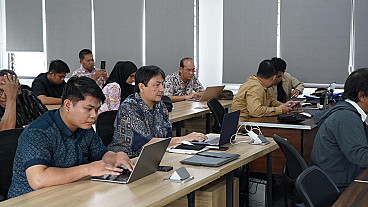
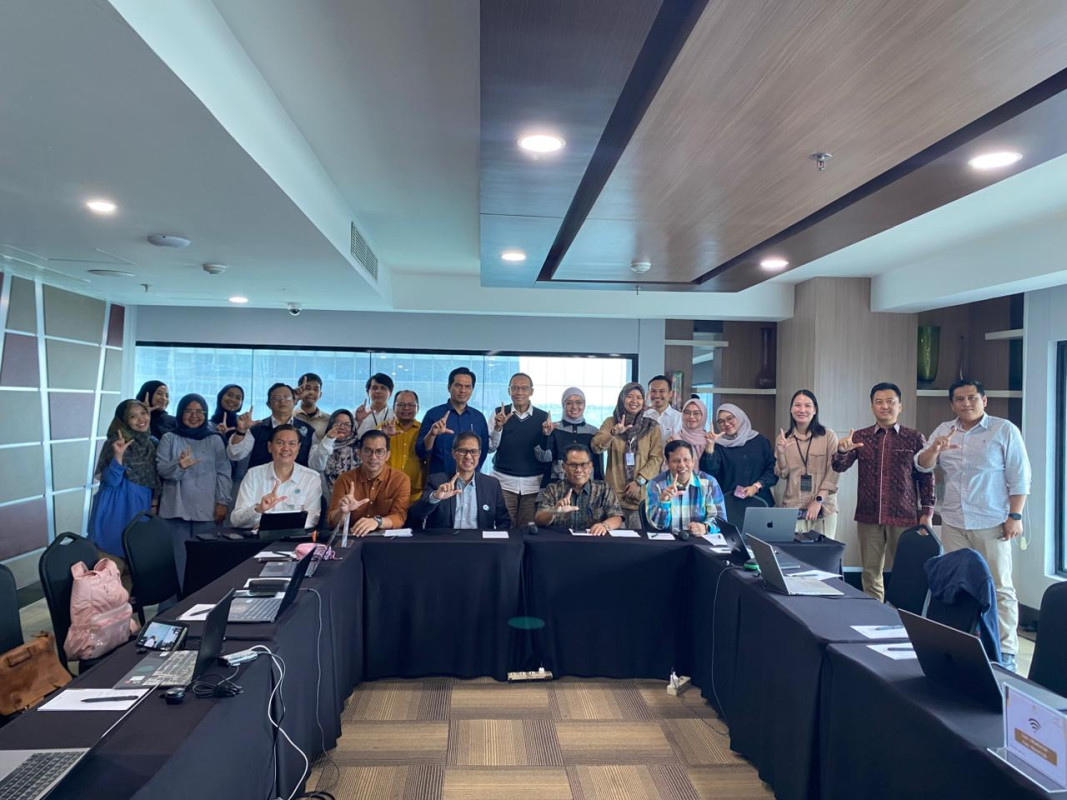
Jakarta, February 24, 2026 – The Directorate of Resource Mobilization for Climate Change Control at the Ministry of Environment and Forestry (MSDPPI KLH), in collaboration with the Benefit Sharing Mechanism (BSM) Division of the National Forestry and Fisheries Agency (SNPMU), held a meeting to harmonize and synchronize the Standard Operating Procedure (SOP) and Technical Instructions for the BioCF-ISFL Program Benefit Sharing Mechanism.
The meeting, held in Jakarta, was chaired by the Director of MSDPPI and featured a presentation from the Head of the BSM Division of the National Forestry and Fisheries Agency (SNPMU), Hendra Admaja. The main agenda of the meeting included updates on the development of the Standard Operating Procedure (SOP) documents prepared by MSDPPI, the development of the Operational Guidelines (Juklak)/Technical Guidelines (Juknis) prepared by Jambi Province, and the determination of the final strategy for the Benefit Sharing Plan (BSP), SOP, and Operational Guidelines (Juklak) documents for 2026.
Current Status of the BSP Document
During his presentation, he stated that the BSP draft 4.0 document had been approved as an advanced draft by the World Bank on August 26, 2024. Furthermore, the BSP draft 5.0 (Final Draft) was submitted to the World Bank on October 21, 2025, and was followed up on December 8, 2025. To date, this document is still awaiting further action from the World Bank.
Several tasks remain to be completed, including a review of the Final Draft BSP, the identification of beneficiaries for each benefit allocation (MAR), and a reaffirmation of the socio-economic allocation agreement, which was noted by the safeguards team.
2026 BSM Sector Work Plan
The BSM SNPMU Sector outlined several strategic plans for 2026 to support the refinement of the BSP and the implementation of the benefit sharing mechanism, including:
Preparation of a Draft Governor's Regulation on the Benefit Sharing Mechanism for the BioCF-ISFL RBP Fund, which is currently available in Draft 2 and planned for submission to the Jambi Provincial Legal Bureau.
Improvement of the Technical Instructions for the Benefit Sharing Mechanism, as operational guidelines to ensure the distribution of Results-Based Payment (RBP) benefits is structured, transparent, and accountable.
Preparation of an Analysis Document on the Implementation of BioCF-ISFL Fund Allocations for the GESI Program at the Village Level, which aims to analyze the effectiveness of fund implementation in supporting gender equality and social inclusion.
This activity is planned to last two months (March–April 2026).
In addition, the BSM Division will also conduct outreach on the operational guidelines (Juklak/Juknis) in the ten regencies/cities receiving RBP funds and conduct capacity building for prospective beneficiaries from government agencies, FMUs, national parks, NGOs, and universities.
Benefit Sharing Mechanism and Principles
The Benefit Sharing Mechanism (Juklak/Juknis) is designed to ensure that the entire allocation, distribution, and utilization of RBP funds for the Jambi Emission Reduction Program (JERP) is carried out accountably and in accordance with environmental and social safeguards.
Beneficiaries include the central government, provincial and district/city governments, villages and community groups, the private sector, universities, and NGOs.
For villages, 40% of the performance-based benefit allocation is used for activities directly related to emission reduction and 60% for socio-economic activities. A minimum of 10% of the total benefits must be allocated to the Gender Equality and Social Inclusion (GESI) program.
A similar scheme also applies to Forest Management Units (FMUs), national parks, social forestry, and the private sector, with the provision that funds be used to support emission reduction, governance strengthening, and socio-economic development of forest communities.
Commitment to Accelerated Finalization
Through this harmonization meeting, the Ministry of Environment's (KLH) MSDPPI and the SNPMU BSM Division affirmed their commitment to expediting the finalization of the BSP document and its supporting instruments. Synchronization between national-level SOPs and provincial-level operational guidelines (Juklak/Juknis) is a crucial step to ensure readiness for implementation of the 2026 BioCF-ISFL RBP Fund disbursement.
By strengthening regional regulations, refining technical guidelines, and increasing stakeholder capacity, it is hoped that the benefit-sharing mechanism will be effective, transparent, and have a tangible impact on emission reduction and improving community welfare in Jambi Province.
The meeting, held in Jakarta, was chaired by the Director of MSDPPI and featured a presentation from the Head of the BSM Division of the National Forestry and Fisheries Agency (SNPMU), Hendra Admaja. The main agenda of the meeting included updates on the development of the Standard Operating Procedure (SOP) documents prepared by MSDPPI, the development of the Operational Guidelines (Juklak)/Technical Guidelines (Juknis) prepared by Jambi Province, and the determination of the final strategy for the Benefit Sharing Plan (BSP), SOP, and Operational Guidelines (Juklak) documents for 2026.
Current Status of the BSP Document
During his presentation, he stated that the BSP draft 4.0 document had been approved as an advanced draft by the World Bank on August 26, 2024. Furthermore, the BSP draft 5.0 (Final Draft) was submitted to the World Bank on October 21, 2025, and was followed up on December 8, 2025. To date, this document is still awaiting further action from the World Bank.
Several tasks remain to be completed, including a review of the Final Draft BSP, the identification of beneficiaries for each benefit allocation (MAR), and a reaffirmation of the socio-economic allocation agreement, which was noted by the safeguards team.
2026 BSM Sector Work Plan
The BSM SNPMU Sector outlined several strategic plans for 2026 to support the refinement of the BSP and the implementation of the benefit sharing mechanism, including:
Preparation of a Draft Governor's Regulation on the Benefit Sharing Mechanism for the BioCF-ISFL RBP Fund, which is currently available in Draft 2 and planned for submission to the Jambi Provincial Legal Bureau.
Improvement of the Technical Instructions for the Benefit Sharing Mechanism, as operational guidelines to ensure the distribution of Results-Based Payment (RBP) benefits is structured, transparent, and accountable.
Preparation of an Analysis Document on the Implementation of BioCF-ISFL Fund Allocations for the GESI Program at the Village Level, which aims to analyze the effectiveness of fund implementation in supporting gender equality and social inclusion.
This activity is planned to last two months (March–April 2026).
In addition, the BSM Division will also conduct outreach on the operational guidelines (Juklak/Juknis) in the ten regencies/cities receiving RBP funds and conduct capacity building for prospective beneficiaries from government agencies, FMUs, national parks, NGOs, and universities.
Benefit Sharing Mechanism and Principles
The Benefit Sharing Mechanism (Juklak/Juknis) is designed to ensure that the entire allocation, distribution, and utilization of RBP funds for the Jambi Emission Reduction Program (JERP) is carried out accountably and in accordance with environmental and social safeguards.
Beneficiaries include the central government, provincial and district/city governments, villages and community groups, the private sector, universities, and NGOs.
For villages, 40% of the performance-based benefit allocation is used for activities directly related to emission reduction and 60% for socio-economic activities. A minimum of 10% of the total benefits must be allocated to the Gender Equality and Social Inclusion (GESI) program.
A similar scheme also applies to Forest Management Units (FMUs), national parks, social forestry, and the private sector, with the provision that funds be used to support emission reduction, governance strengthening, and socio-economic development of forest communities.
Commitment to Accelerated Finalization
Through this harmonization meeting, the Ministry of Environment's (KLH) MSDPPI and the SNPMU BSM Division affirmed their commitment to expediting the finalization of the BSP document and its supporting instruments. Synchronization between national-level SOPs and provincial-level operational guidelines (Juklak/Juknis) is a crucial step to ensure readiness for implementation of the 2026 BioCF-ISFL RBP Fund disbursement.
By strengthening regional regulations, refining technical guidelines, and increasing stakeholder capacity, it is hoped that the benefit-sharing mechanism will be effective, transparent, and have a tangible impact on emission reduction and improving community welfare in Jambi Province.
Latest News
-thumb.jpg)