News
63
Bimtek Pasca Panen Tingkatkan Kualitas dan Tata Kelola Hasil Padi di Desa Tebing Tinggi Uleh

Portal BIOCF
Tuesday, 03 June 2025 Post 12:06 AM
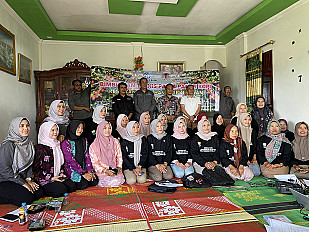
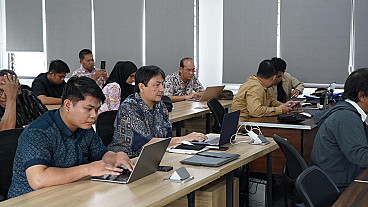
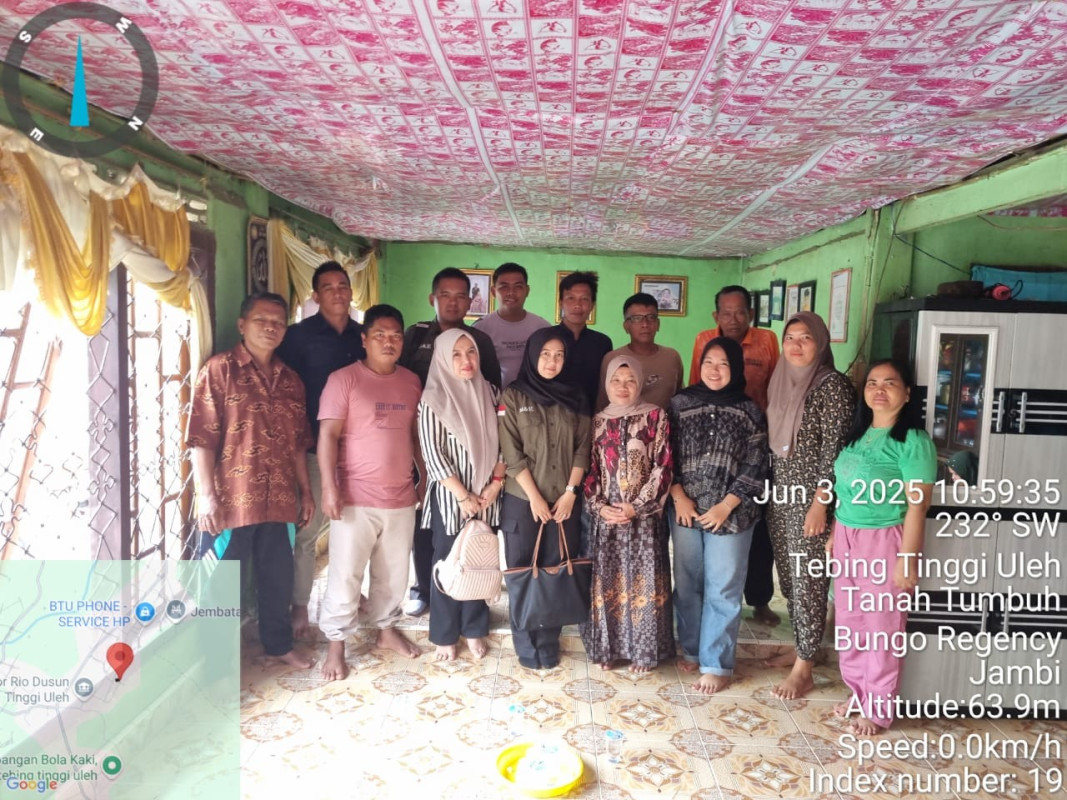
Tebing Tinggi Uleh Village, Tanah Tumbuh District, was the location for the 2024 Post-Harvest Technical Guidance (Bimtek) for Fiscal Year 2024, facilitated by the Food Crops, Horticulture, and Plantation Service (DTPHP). This activity focused on increasing the capacity of farmer groups in managing rice harvests to ensure they are more organized, efficient, and provide better economic value.
Currently, the rice storage system is still carried out independently in the homes of each farmer group member. The variety being cultivated is Afari rice, with a planting cycle from seed to harvest lasting approximately 3 months and 10 days. Although cultivation practices have been quite successful, post-harvest management was previously rudimentary and not yet standardized.
In a discussion session with resource persons, the farmer groups conveyed several challenges they still face in the field. Limited storage facilities are a major issue, preventing collective harvest management. Furthermore, the lack of vehicles for transporting harvests, such as three-wheeled motorcycles, complicates the distribution process from fields to storage sites and to buyers. This group also does not have a rice huller, so the processing of unhusked rice into rice still depends on other parties.
Nevertheless, the implementation of the Technical Guidance (Bimtek) has had a significant positive impact. Farmer group members acknowledged that after participating in the training, their storage and post-harvest management systems have become more organized. More careful handling of unhusked rice to maintain quality has resulted in improved yields. New knowledge regarding drying, storage, and harvest management techniques is considered very helpful in minimizing yield losses and maintaining stable selling prices.
In terms of productivity, the farmer group in Tebing Tinggi Uleh Village manages 20 hectares of land, divided proportionally among its members. Each hectare can produce approximately 6–7 tons of rice per harvest. Harvests are held twice a year, in June and December. The harvest is sold as unhusked rice at an average price of around Rp6,500 per kilogram, and the management is carried out directly by each member.
With these achievements, rice productivity in this region is considered quite high and has the potential to continue increasing if supported by adequate facilities and infrastructure.
As a follow-up, the farmer group hopes for the continuation of the Technical Guidance program in the coming years, including support for agricultural production facilities. For 2025, the group has received an allocation of 4 quintals of seeds from the relevant agency and received uniforms as part of the Technical Guidance activities. This assistance is expected to further motivate group members to improve performance and strengthen farmer institutions.
Through synergy between the local government and the farmer group, it is hoped that the post-harvest management system in Tebing Tinggi Uleh Village can continue to develop, thereby improving farmer welfare and strengthening regional food security.
Currently, the rice storage system is still carried out independently in the homes of each farmer group member. The variety being cultivated is Afari rice, with a planting cycle from seed to harvest lasting approximately 3 months and 10 days. Although cultivation practices have been quite successful, post-harvest management was previously rudimentary and not yet standardized.
In a discussion session with resource persons, the farmer groups conveyed several challenges they still face in the field. Limited storage facilities are a major issue, preventing collective harvest management. Furthermore, the lack of vehicles for transporting harvests, such as three-wheeled motorcycles, complicates the distribution process from fields to storage sites and to buyers. This group also does not have a rice huller, so the processing of unhusked rice into rice still depends on other parties.
Nevertheless, the implementation of the Technical Guidance (Bimtek) has had a significant positive impact. Farmer group members acknowledged that after participating in the training, their storage and post-harvest management systems have become more organized. More careful handling of unhusked rice to maintain quality has resulted in improved yields. New knowledge regarding drying, storage, and harvest management techniques is considered very helpful in minimizing yield losses and maintaining stable selling prices.
In terms of productivity, the farmer group in Tebing Tinggi Uleh Village manages 20 hectares of land, divided proportionally among its members. Each hectare can produce approximately 6–7 tons of rice per harvest. Harvests are held twice a year, in June and December. The harvest is sold as unhusked rice at an average price of around Rp6,500 per kilogram, and the management is carried out directly by each member.
With these achievements, rice productivity in this region is considered quite high and has the potential to continue increasing if supported by adequate facilities and infrastructure.
As a follow-up, the farmer group hopes for the continuation of the Technical Guidance program in the coming years, including support for agricultural production facilities. For 2025, the group has received an allocation of 4 quintals of seeds from the relevant agency and received uniforms as part of the Technical Guidance activities. This assistance is expected to further motivate group members to improve performance and strengthen farmer institutions.
Through synergy between the local government and the farmer group, it is hoped that the post-harvest management system in Tebing Tinggi Uleh Village can continue to develop, thereby improving farmer welfare and strengthening regional food security.
Latest News
-thumb.jpg)